Key Takeaways:
- Amazon Product Opportunity Explorer is best for identifying niche demand and early product ideas inside Seller Central.
- SmartScout helps validate competition, uncover keyword gaps, and understand how the market actually works.
- The strongest workflow starts with Amazon for demand, then uses SmartScout for deeper validation.
- Using both tools helps you avoid weak product opportunities by combining demand signals with competitive intelligence.
Amazon Product Opportunity Explorer is a Seller Central tool that helps sellers evaluate product niches using Amazon search, purchase, and customer behavior data.
It's useful for identifying demand, generating product ideas, and understanding what customers want in a specific niche. But demand is only one part of the decision.
This guide explains how sellers can use Amazon Opportunity Explorer and SmartScout together to move from early niche discovery to stronger decisions on products, keywords, competitors, and pay-per-click (PPC).
Amazon Opportunity Explorer vs. SmartScout at a Glance
The question isn't whether Amazon Product Opportunity Explorer or SmartScout is better. The better question is: which data do you need at each stage of the decision?
Opportunity Explorer helps you understand whether customer demand exists. SmartScout helps you evaluate the market behind that demand, including competition, brands, sellers, keywords, and ads.
Amazon Product Opportunity Explorer
Opportunity Explorer is a research tool inside Seller Central that helps sellers evaluate product niches using Amazon’s internal search, purchase, and customer behavior data. It's most useful at the beginning of the research process, when sellers are deciding whether a niche has sufficient demand to explore further.
Best for: Sellers who want a fast, in-platform way to validate niche demand before moving into deeper product, keyword, or competitor research.
Key features:
- Niche demand signals: Sellers can evaluate whether customers are actively searching for and buying products in a specific niche.
- Search behavior insights: The tool helps identify search patterns that may point to growing interest or seasonal demand.
- Customer review insights: Sellers can review customer feedback to spot common complaints, unmet needs, or product improvement opportunities.
- Pricing and return signals: These data points can help sellers understand customer expectations and potential friction in the niche.
Considerations:
- It's strongest for early demand discovery, not full market validation.
- It doesn't provide the same depth of brand, seller, keyword, or advertising intelligence as a dedicated market research platform.
- It's tied to Seller Central access, so it fits best for sellers already working within Amazon’s ecosystem.
- Amazon doesn't price Opportunity Explorer as a standalone product. It's available to Professional sellers; Amazon lists a Professional selling account at $39.99 per month plus selling fees.
SmartScout
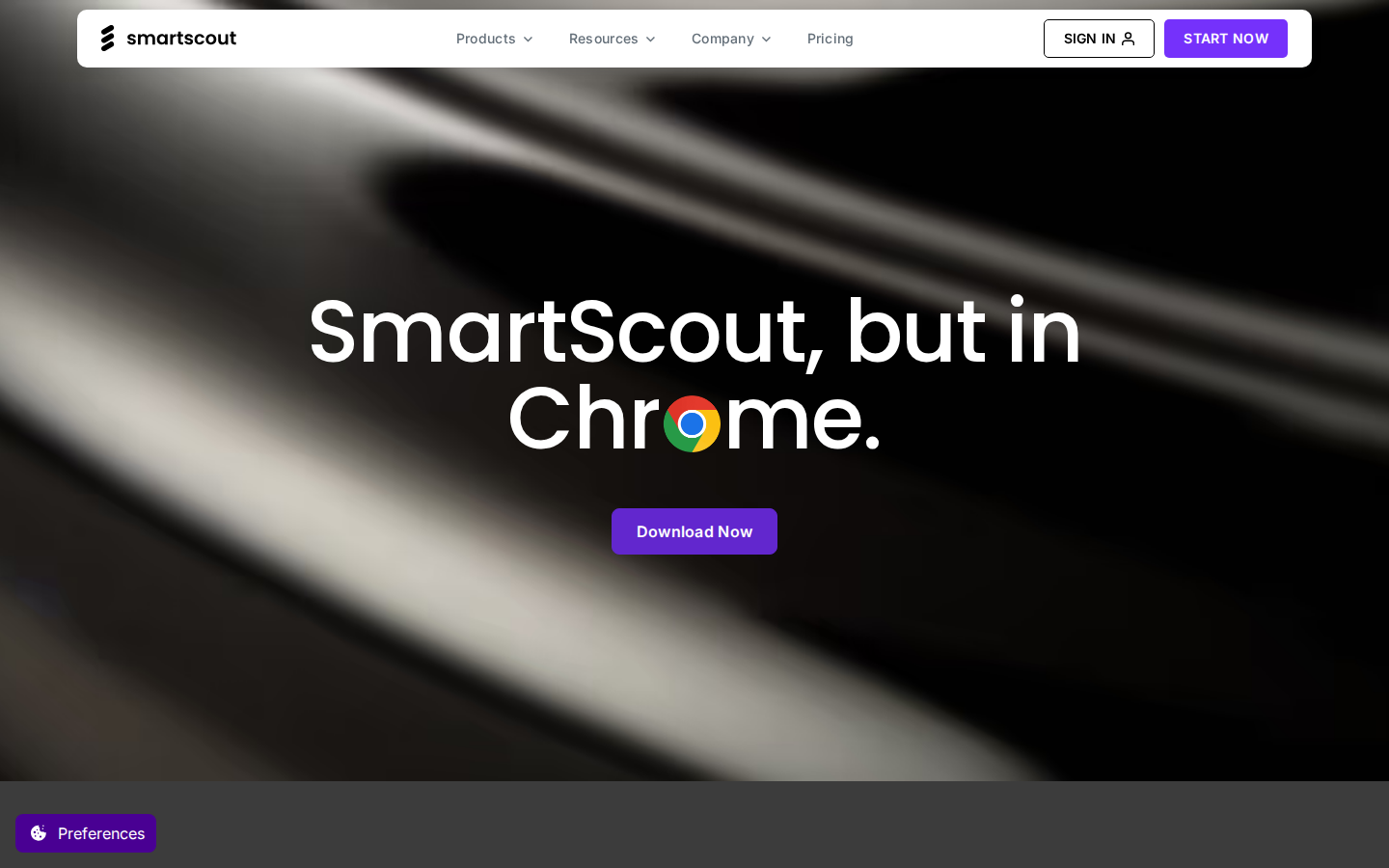
SmartScout is an Amazon market intelligence platform that helps sellers understand the broader market behind a product opportunity. Instead of looking only at niche demand, SmartScout connects products, brands, sellers, keywords, subcategories, and ads. Users can see who is competing, how the market is structured, and where there may be room to win.
Best for: Sellers, agencies, wholesalers, and marketplace operators who need deeper validation before making sourcing, listing, PPC, or growth decisions.
Key features:
- Product and subcategory research: SmartScout helps users analyze markets beyond a single ASIN or niche, making it easier to spot demand, competition, and whitespace.
- Brand and seller intelligence: Users can research which brands dominate a space, who sells those products, and how seller activity shapes the market.
- Keyword intelligence: SmartScout helps sellers uncover competitor keywords, ranking overlap, and keyword gaps that can inform listing and PPC strategy.
- Ad visibility: Tools like Ad Spy help sellers understand competitor advertising behavior and paid search activity.
Considerations:
- SmartScout is best used once a seller is ready to validate and act on an opportunity, not just browse early ideas.
- It's a standalone software subscription rather than a tool built into Seller Central.
Step 1: Start With Amazon Opportunity Explorer to Find Demand
Opportunity Explorer is useful at the start of product research, as it helps sellers evaluate demand signals in Seller Central. A seller can use it to understand whether:
- A niche is active.
- Search behavior is increasing or declining.
- Customer feedback points to unmet needs.
Early product research often starts with too many possibilities. A seller may have several product ideas, but not all of them deserve deeper research. Amazon Product Opportunity Explorer helps narrow the list by showing which niches have sufficient customer activity to warrant a closer look.
For example, a seller might use Amazon Opportunity Explorer to compare two related niches. If one shows stronger customer interest, more consistent search behavior, and clearer review patterns, that niche may be worth validating further.
The tool doesn't need to answer every question at this stage. Its main job is to help sellers decide which ideas are worth bringing into a deeper research process.
Step 2: Use SmartScout to Validate the Opportunity
Once a niche looks promising, the next question is whether the seller can compete. This is where SmartScout adds value.
SmartScout gives sellers a broader view of the Amazon marketplace by connecting product, brand, seller, keyword, and advertising data.
Instead of looking at a niche snapshot, sellers can see who is winning in the market, how concentrated the competition is, which products are performing well, and where paid search activity is showing up.
SmartScout helps sellers move from interest to validation. It can answer questions such as:
- Which brands are leading this market?
- How many sellers are competing for similar products?
- Is Amazon directly competing in this space?
- Which keywords and ads appear to be driving visibility?
Product and subcategory research
SmartScout helps sellers look beyond a single niche and understand the larger subcategory around it. This makes it easier to see whether demand is broad enough, how competitive the space is, and where a new product might fit.
This view helps you:
- Analyze full subcategories rather than relying solely on niche-level signals.
- Filter products by revenue, price, and performance to find stronger opportunities.
- Identify underserved segments where customer demand may not be fully met.
- Compare products in context to see whether revenue is concentrated or spread across many listings.
Brand and seller intelligence
A product opportunity can look promising until you see who controls the market. SmartScout adds that context by showing the brands and sellers behind the listings, not just the products themselves.
That added context makes it easier to:
- Identify the dominant brands and assess their influence in a category.
- See how many sellers are competing in the same space.
- Understand whether Amazon is directly competing in the market.
- Evaluate seller strength, growth, and market presence before entering a niche.
Advertising and keyword data
Demand signals are more useful when they connect to search visibility and ad behavior. SmartScout shows how competitors use keywords and PPC, which can inform launch planning, listing optimization, and campaign strategy.
For keyword and ad planning, SmartScout helps you:
- Discover competitor keywords that may be relevant to your own listings.
- Compare keyword overlap between similar products.
- Identify PPC opportunities, gaps, and defensive keyword targets.
- Understand where competitors are showing up in paid search.
Explore SmartScout’s Amazon keyword research tool and Amazon PPC competitor research tools to see how keyword and ad intelligence support stronger market validation.
Step 3: Connect Demand With Competition Before You Invest
Demand is a useful starting point, but it shouldn't be the only reason to pursue a product idea. A niche can show strong search volume, positive trends, and clear customer interest, yet remain difficult to enter.
That often happens when the competitive side of the market is less favorable. A niche may be harder to compete in when:
- Established brands already control most of the visibility.
- Too many sellers compete for similar products.
- Competitors spend heavily on PPC.
- Amazon directly competes in the category.
- Revenue concentrates among a small number of listings.
This is where Opportunity Explorer and SmartScout work well together. Amazon Product Opportunity Explorer helps confirm that demand exists, while SmartScout helps evaluate whether the market is realistic to enter.
Why Both Tools Matter for Product Research
Product research gets stronger when each tool has a clear role in the process. Instead of relying on a single data source, sellers can use each platform to address a different aspect of the decision before moving forward with inventory.
- Amazon Product Opportunity Explorer narrows a broad set of ideas by showing which niches have consistent customer demand and search activity.
- SmartScout evaluates whether those ideas are realistic by analyzing competition, product performance, seller activity, and market structure.
This combination allows sellers to move from initial discovery to more confident decision-making. For a broader look at how different tools fit into this process, explore SmartScout’s guide to the best product research tools for Amazon.
Keyword Research: From Search Trends to Keyword Strategy
Keyword research is where early demand signals need to become specific listing and PPC decisions. Amazon Opportunity Explorer can help identify the language customers use inside a niche, but SmartScout adds the competitive layer that shows which keywords may be realistic to target.
- Amazon Product Opportunity Explorer is useful for identifying search-term patterns, trend data, and niche-level keyword context. That can help you understand what shoppers are looking for and which terms may deserve a closer look.
- SmartScout takes the next step by showing how keywords connect to competing products. It can help uncover competitor keywords, identify ranking gaps, prioritize terms by relevance and competition, and shape keyword strategy for listings and PPC campaigns.
The key distinction is simple: Amazon shows what people search for, while SmartScout shows how to compete for those searches. This is especially important before launch, when keyword prioritization affects both organic visibility and ad performance.
Competitor and PPC Research: Where SmartScout Adds Depth
Opportunity Explorer identifies demand, but it's not built to show the full competitive picture. Once you need to understand which brands are winning visibility, how sellers are positioned, and where paid search pressure exists, SmartScout adds the deeper context.
SmartScout can help uncover:
- Brand-level competition and seller distribution
- Market share patterns across products and categories
- Paid search behavior, including competitor ad visibility
- Keyword spaces that may be crowded, defensible, or underused
Competitor research becomes a more practical PPC plan when you can see where the market is crowded and where there may still be room to compete.
Choosing the Right Workflow for Your Business
The right workflow depends on the decision you're trying to make. Early in the process, you may only need to know whether a niche has customer interest. Later, you need to know whether the opportunity is worth the cost of inventory, content, listings, and ads.
A practical workflow might look like this:
- Identify demand in Opportunity Explorer. Start by finding a niche with signs of customer interest, search activity, or unmet demand.
- Confirm the signal is worth investigating. Look for consistency in demand, customer behavior, and niche trends before moving deeper.
- Validate the market in SmartScout. Analyze the top brands, active sellers, product competition, keyword opportunities, and PPC activity.
- Decide what to do next. Move forward, refine the idea, or walk away before investing in inventory or launch spend.
Before inventory, content, or PPC investment, you need competitive and market data too. For additional market context, explore SmartScout’s Amazon seller data analysis tools.
SmartScout Helps You Move From Ideas to Decisions
A promising product idea needs more than customer interest. Before you invest in inventory, listings, or ads, you need to know whether the opportunity is realistic in the current market.
SmartScout helps by showing which brands and sellers already compete in the space, how products are performing, which keywords matter, and where competitors are investing in ads.
That gives you a clearer way to decide whether to move forward, refine the idea, or walk away before committing budget.
If you want a clearer path from niche discovery to validated product decisions, explore SmartScout’s Amazon product research tools. Or get a demo to see how it fits into your workflow.
FAQs: Amazon Opportunity Explorer vs. SmartScout
Is Amazon Opportunity Explorer enough on its own?

Amazon Product Opportunity Explorer can be enough for early demand validation, especially if you're still deciding whether a niche is worth exploring. Once you need to evaluate competition, keyword strategy, seller activity, or PPC planning, SmartScout provides the additional market context needed to make a stronger decision.
Can I use SmartScout without Amazon Opportunity Explorer?
Yes. SmartScout can support product, keyword, competitor, seller, and ad research on its own. However, many sellers still use Opportunity Explorer first to spot early demand signals, then use SmartScout to validate whether the opportunity is realistic.
What is the biggest advantage of using both tools together?
Using both tools helps you connect customer demand with competitive reality. Amazon Product Opportunity Explorer can show that shoppers are interested in a niche, while SmartScout helps show whether the market is too crowded, which brands are leading, and where you may have room to compete.
Which tool is better for PPC research?
SmartScout is better suited for PPC research because it provides visibility into competitor keyword and ad visibility. Opportunity Explorer can help identify search demand, but SmartScout is more useful for planning campaigns, evaluating paid search pressure, or identifying keyword gaps.
Which tool should beginners start with?
Beginners may want to start with Amazon Opportunity Explorer because it's built into Seller Central and is easier to use for early niche exploration. As research needs expand, SmartScout becomes more valuable for validating competition, planning listings, and making more informed launch decisions.
.png)