Key Takeaways
- Brand protection software should combine marketplace visibility, seller detection, evidence gathering, enforcement workflows, and reporting rather than focus only on counterfeits.
- Enterprise CPG teams need seller-level context to distinguish isolated listing issues from broader distribution or channel-control problems.
- Amazon-specific intelligence can reveal relationships between brands, sellers, products, search terms, and categories that generic monitoring may miss.
- The right platform depends on whether your priority is marketplace control, broad digital threats, enforcement automation, or deeper Amazon intelligence.
For enterprise CPG teams, brand protection becomes difficult to manage at portfolio scale. A company may oversee hundreds or thousands of ASINs across multiple brands, categories, authorized partners, and third-party sellers, making it difficult to separate isolated listing issues from broader distribution or channel risks.
The right brand protection software helps teams monitor those risks at scale, while marketplace intelligence gives ecommerce, brand, legal, and marketplace teams the seller, product, and category data needed to prioritize action.
This guide explains what to look for in brand protection software, how marketplace-focused solutions differ from broader digital protection platforms, and where Amazon intelligence fits into the process.
What Is Brand Protection Software?
Brand protection software monitors external digital channels for activity that may threaten a company's products, intellectual property, reputation, or customer relationships. Depending on the platform, that can include:
- Counterfeit listings: Detect suspected fake products or unauthorized use of product imagery and intellectual property.
- Unauthorized sellers: Identify third-party sellers carrying a brand's products outside approved distribution relationships.
- Trademark and content misuse: Surface improper use of brand names, logos, copyrighted assets, or product claims.
- Impersonation and fraud: Monitor suspicious domains, fake social accounts, fraudulent ads, and other attempts to imitate the brand.
- Marketplace activity: Track listings, sellers, pricing, and other changes that may signal emerging channel risk.
That makes the category broader than counterfeit detection software. Anti-counterfeit tools generally focus on identifying fake products or intellectual property violations, while digital brand protection platforms may monitor marketplaces, domains, search engines, ads, social media, and other external channels.
For CPG brands selling on Amazon, however, understanding the seller landscape deserves particular attention. A team may need to know which sellers carry its products, how concentrated sales are among those sellers, whether new sellers have appeared, and how activity differs across products or categories.
Amazon-native programs remain important, but they serve a different role. Amazon Brand Registry and related automated brand protection tools can support rights owners on Amazon, while third-party intelligence can help teams build a broader picture of marketplace activity before deciding where investigation or enforcement is warranted.
Why Does Brand Protection Software Matter for Enterprise CPG Teams?
Marketplace abuse is difficult to monitor at scale. Amazon reports that its Counterfeit Crimes Unit has pursued more than 32,000 bad actors since 2020, while more than 15 million counterfeit products were identified, seized, and disposed of worldwide in 2025.
But counterfeits are only part of the risk. Unauthorized distribution of genuine products can create pricing pressure, channel conflict, inconsistent customer experiences, and less visibility into where inventory is coming from. Effective brand protection helps teams identify those issues, add marketplace context, and decide where action is warranted.
These risks rarely belong to one function. Ecommerce teams may see pricing or Buy Box disruption first, while legal teams focus on infringement, brand teams monitor customer experience, and channel leaders manage distributor relationships. Shared marketplace data helps those groups work from the same evidence rather than investigating issues separately.
Revenue and Margin Risk
Unauthorized seller activity can affect more than an individual listing. It may contribute to:
- Pricing pressure: Additional sellers can drive prices below intended levels.
- Retail execution disruption: Additional sellers can affect Buy Box ownership, pricing consistency, and how shoppers encounter the brand.
- Channel revenue leakage: Sales can shift away from authorized sellers or strategic retail partners, weakening channel economics and attribution.
- Margin erosion: Persistent price competition can weaken profitability across key products.
For large CPG catalogs, these effects can spread across multiple ASINs before teams recognize the pattern. Earlier detection helps teams focus on the products and sellers with the greatest potential business impact.
Channel Control and Distribution Risk
Finding an unfamiliar seller is only the first step. Teams need to determine whether it represents a one-off resale situation or a broader distribution issue affecting multiple products or approved channels.
Strong Amazon seller research can reveal seller scale, catalog overlap, brand relationships, and activity across multiple ASINs, giving teams a clearer basis for investigation.
Customer Experience and Brand Trust
Brand protection also shapes what shoppers encounter on Amazon. Counterfeit products, unauthorized distribution, inconsistent pricing, and poor listing experiences can all affect how customers perceive a brand.
The goal is not simply to count violations. Enterprise teams need enough marketplace data to identify which issues could meaningfully affect customer experience, authorized partners, revenue, or long-term brand control.
Which Capabilities Should Brand Protection Software Include?
There is no single feature set that works for every organization. A company primarily concerned with phishing and impersonation will evaluate platforms differently from a CPG team trying to understand unauthorized Amazon sellers.
For marketplace-focused teams, these are the capabilities worth comparing:
The distinction between detection and context is important. A platform might be very good at flagging an infringing listing but provide limited insight into the seller or surrounding market. Another may specialize in intelligence that helps a team decide which issues deserve action first.
How Should Teams Evaluate Digital Brand Protection Beyond Counterfeits?
Brand abuse rarely stays confined to one channel. Companies may also encounter spoofed domains, fake social profiles, phishing, fraudulent advertising, impersonation, copyright misuse, and suspicious websites.
- Broad digital brand protection platforms are built to monitor risks across a wide range of external channels. These may include domains, social accounts, phishing attempts, impersonation, fraudulent ads, suspicious apps, and counterfeit activity, often with workflows for investigation and takedown.
- Marketplace-focused platforms go deeper into ecommerce risks such as unauthorized sellers, suspicious listings, intellectual property misuse, pricing issues, and marketplace enforcement. Some also extend monitoring across social media, domains, and advertising channels.
Neither approach is inherently better. The right fit depends on where a brand faces the most risk and what its team needs to do about it. Enterprise CPG teams may not solve every brand protection need with one platform.
A broader digital-risk solution may handle impersonation and domain threats, an enforcement platform may manage takedowns, and Amazon market intelligence may support seller investigation and prioritization. The evaluation should focus on how those capabilities fit together rather than assuming one tool must cover every workflow.
What Makes Brand Protection Solutions Effective on Amazon?
Brand protection on Amazon rarely stops at the listing level. Sellers can operate across multiple ASINs, search visibility can shift between competing products, and issues that look isolated may extend across an entire brand or category.
At enterprise scale, the challenge is not simply finding anomalies. It is determining which sellers, products, and categories represent enough business exposure to warrant investigation first. Amazon-specific seller, search, and category intelligence can make that prioritization more systematic.
Map Sellers Across the Catalog
Amazon-specific intelligence should let teams move from a brand to its products and then to the sellers carrying those products. That makes it easier to see whether an unfamiliar seller appears on one ASIN or across a meaningful portion of the catalog.
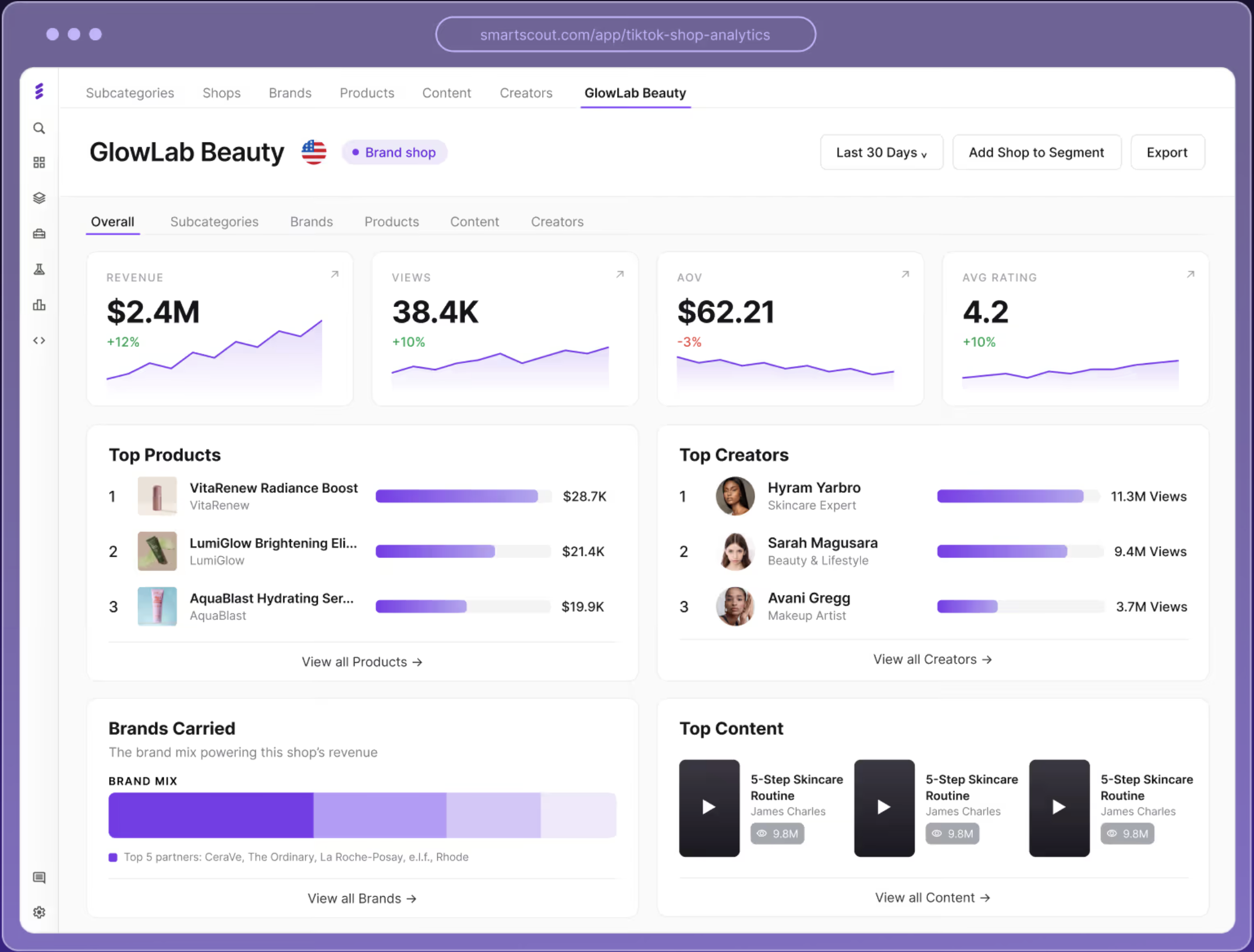
SmartScout's Brand List combines brand, product, and seller data with metrics such as estimated monthly revenue, FBA seller counts, dominant sellers, and Amazon in-stock rate. For brand teams, that helps surface where seller concentration or unexpected distribution deserves a closer look.
Add Search Context to Seller Changes
Seller activity does not happen in isolation from how shoppers discover products. Search data can help teams understand whether affected products also drive meaningful organic visibility.
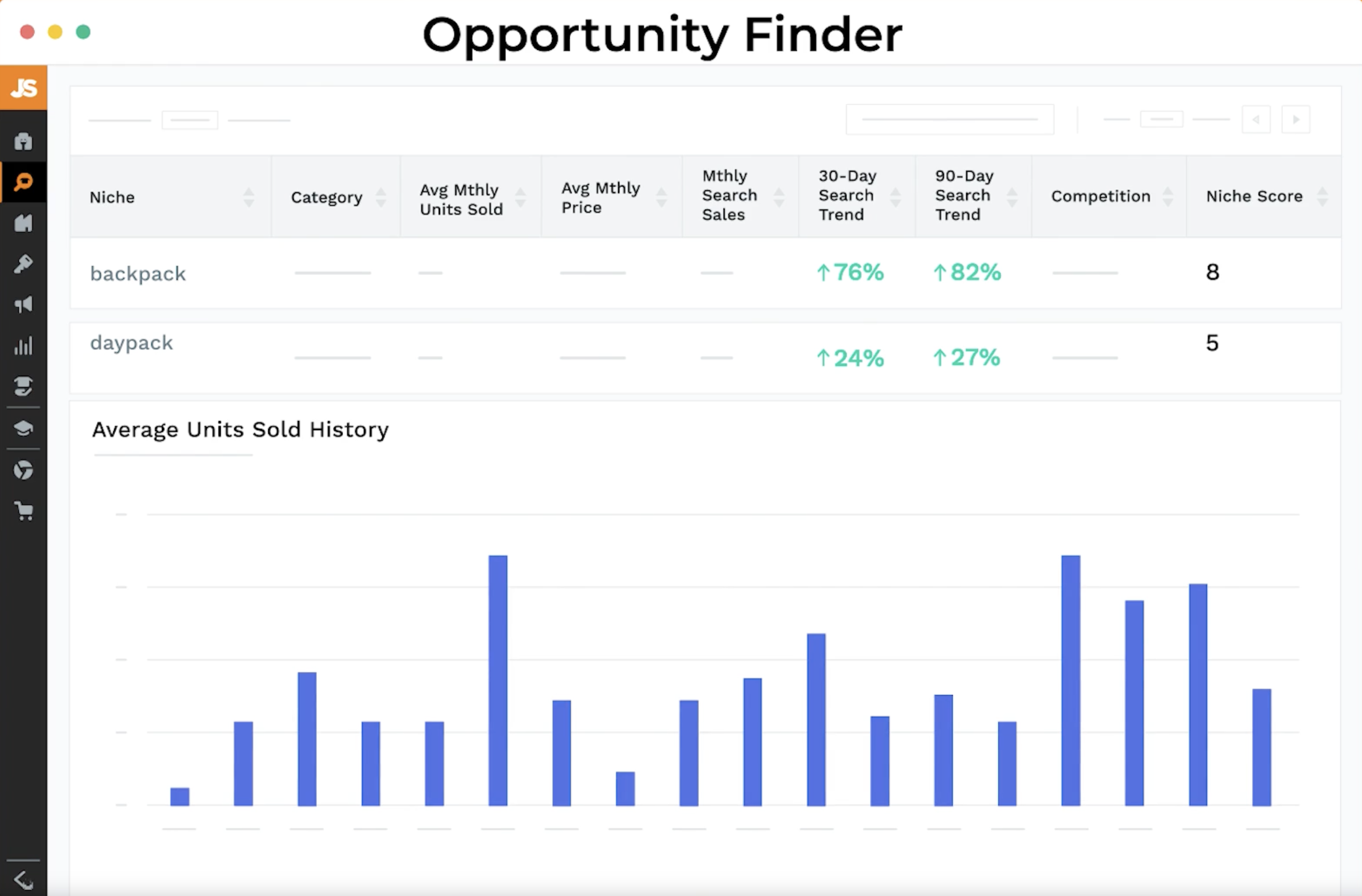
SmartScout's approach to Amazon keyword research connects search terms with the products, brands, sellers, and categories around them. Combined with seller intelligence, this can help teams prioritize issues affecting products with meaningful search exposure.
Prioritize Risk by Category
Not every seller issue carries the same business impact across a large brand portfolio. A problem affecting a low-volume product may require a different response from one appearing across a high-revenue category where the brand holds significant market share.
SmartScout organizes Amazon across more than 40,000 subcategories and connects category analysis with brands, sellers, products, and market-share data. This type of Amazon marketplace intelligence can help teams prioritize issues in the categories that matter most to the business.
Checklist for Choosing Brand Protection Software
Before comparing vendors, align internally on what problem the software actually needs to solve. A marketplace team focused on unauthorized Amazon sellers will evaluate platforms differently from a security team monitoring phishing and impersonation.
Use these questions to narrow the field:
- Where is the risk concentrated? Determine whether Amazon is the priority or whether protection must extend across marketplaces, domains, social media, search, and ads.
- What does your team need to investigate? Decide whether listing alerts are enough or whether you need deeper seller, catalog, and network analysis.
- What level of enforcement support is required? Decide whether your team needs automated takedowns, managed enforcement, case management, or intelligence that feeds an existing legal workflow.
- How will cases be prioritized? Look for ways to distinguish high-impact threats from low-value alerts.
- Who owns the workflow? Define which responsibilities sit with ecommerce, brand, legal, compliance, or channel teams and how issues move between them.
- How will success be measured? Define whether success means faster detection, fewer repeat offenders, stronger channel control, recovered revenue, or lower manual workload.
- How important is Amazon-specific intelligence? Amazon-heavy brands may need deeper seller, product, search, and category analysis than a general digital-risk platform provides.
An Amazon analytics software comparison can also help teams understand how different intelligence platforms approach brands, sellers, market share, and competitive research.
How SmartScout Supports Smarter Brand Protection Decisions
SmartScout is not a counterfeit detection or takedown platform. It gives enterprise Amazon teams the market intelligence needed to investigate seller activity across large catalogs, understand potential business impact, and prioritize which issues deserve further action.
With Amazon brand list software, teams can move from a brand to its products and sellers, compare seller concentration across products, brands, or portfolio segments, and bring category and search data into the analysis. That can help answer practical questions such as:
- How widespread is the issue? Determine whether a seller appears on one product or across a larger portion of the catalog.
- How important is the seller? Evaluate the seller's scale, portfolio, and Amazon presence.
- Where is the business exposure? Identify whether affected products sit in important categories or generate meaningful search visibility.
- What deserves investigation first? Prioritize issues using marketplace data rather than treating every alert equally.
- Is the issue isolated or systemic? Compare seller activity across multiple products, brands, or categories to identify broader patterns.
For teams using Amazon Brand Registry, these capabilities are complementary. Amazon provides native tools for eligible rights owners, while SmartScout helps teams understand the seller and market structure surrounding the issues they are evaluating.
Contact SmartScout to see how enterprise Amazon intelligence can help your team map sellers across large catalogs, investigate channel risks, and prioritize the issues with the greatest business impact.
FAQs
Can Brand Protection Software Identify Unauthorized Amazon Sellers?

Brand protection platforms can help identify unexpected sellers and suspicious marketplace activity, but the depth of seller information varies by solution. Amazon-focused seller intelligence can add details about seller scale, catalog overlap, brand relationships, and activity across multiple ASINs.
Is Brand Protection Software Only for Counterfeit Detection?
No. Depending on the platform, brand protection solutions may monitor unauthorized sellers, trademark misuse, impersonation, domains, social accounts, fraudulent ads, and other external threats in addition to counterfeits.
How Does Marketplace Intelligence Support Enterprise Brand Protection?
Marketplace intelligence adds seller, product, category, search, and competitive data to the signals generated by brand protection tools. For enterprise teams managing large catalogs, that context can help distinguish isolated incidents from broader channel problems and prioritize issues based on potential business impact.
Do Brand Protection Solutions Replace Amazon Brand Registry?
No. Amazon Brand Registry provides Amazon-native tools for eligible rights owners, while third-party platforms can extend monitoring, intelligence, workflow management, or enforcement capabilities. Many enterprise teams use the two for different but complementary purposes.
How Should Teams Measure the Value of Brand Protection Software?
Enterprise teams should measure both protection outcomes and operational efficiency. Useful metrics include detection and response time, repeat-offender rates, successful enforcement, revenue or margin protected, seller coverage across the catalog, and hours saved through more efficient investigation. Teams can also track whether higher-risk cases are being identified and escalated consistently across brands or business units.

.jpg)