Key Takeaways
- An Amazon brand management agency supports advertising, catalog management, account health, brand protection, and marketplace operations.
- Hiring an Amazon agency makes sense when growth opportunities exceed internal expertise or capacity, provided the brand has strong operational fundamentals.
- Agency pricing varies by scope, with monthly retainers, percentage-based fees, and hybrid models. Brands should compare total costs and incentives.
- Before hiring, brands should verify agency experience, retain account ownership, and establish performance benchmarks to measure results.
An Amazon brand management agency helps brands manage Amazon operations, including advertising, catalog management, account health, brand protection, and reporting.
As these responsibilities expand, established brands may need more expertise or capacity than their in-house teams can provide. An agency can fill those gaps, but its value depends on the brand's resources, budget, and growth priorities.
Choosing the right approach starts with understanding the available options. This guide explains common agency models, their costs, and how to determine whether hiring a partner makes sense.
What Does an Amazon Brand Management Agency Do?
An Amazon brand management agency helps brands improve marketplace performance by managing advertising, product content, and daily operations. While the scope varies by provider, common services include:
- Advertising management: Managing Sponsored Products, Sponsored Brands, and campaign performance.
- Catalog management: Updating listings, correcting errors, managing variations, and supporting product launches.
- Account health: Monitoring performance, resolving account issues, and addressing compliance risks.
- Brand protection: Identifying unauthorized sellers and potential infringement to support an Amazon brand protection strategy.
- Inventory coordination: Identifying stockout risks and coordinating replenishment with supply chain teams.
- Performance reporting: Tracking sales, profitability, advertising efficiency, and competitive position.
How agencies deliver these services also depends on the brand's selling model. Third-party sellers typically need Seller Central support, while brands pursuing an Amazon 1P strategy may require Vendor Central expertise in retail readiness and vendor operations.
Types of Amazon Agency and Management Models
Brands have several options for managing Amazon operations, from building an in-house team to outsourcing specific functions. Choosing the right model depends on the expertise needed, internal resources, and desired level of control.
For brands with a specific advertising gap, a specialist Amazon marketing agency may be sufficient. Broader operational needs may call for a full-service agency instead. These decisions often involve the same considerations explored in in-house vs agency Amazon PPC: expertise, cost, and control.
Marketplace resellers represent a different arrangement because they purchase inventory for resale, making contractual terms and channel control especially important.
When Should Your Brand Hire an Amazon Agency?
Hiring an Amazon brand management agency makes sense when growth opportunities exceed an in-house team's capacity or expertise.
Common indicators include:
- Limited internal capacity: Teams struggle to manage advertising, catalog updates, and account health alongside other responsibilities.
- Specialized expertise gaps: Amazon PPC, Vendor Central, or marketplace analytics require additional knowledge.
- Expansion plans: Product launches, new marketplaces, or growing catalogs increase operational demands.
- Performance challenges: Declining conversion rates, advertising efficiency, or market share require deeper analysis.
An agency can help address these challenges, provided the brand has the operational foundation to support its recommendations.
When Hiring an Agency May Be Premature
Frequent stockouts, untested pricing, and weak margins can limit the results an agency can deliver. Brands facing these issues may benefit more from strengthening their operations and validating product-market fit first.
Once those fundamentals are established, agency support becomes easier to justify and measure.
How Much Does an Amazon Brand Management Agency Cost?
Amazon agency pricing varies based on service scope, catalog size, advertising spend, and operational complexity.
According to SupplyKick's 2026 agency pricing guide, monthly fees range from approximately $1,500 for limited support to $15,000 or more for full-service engagements. Agencies focused on PPC typically charge $1,500-$7,500 monthly or 10%-20% of ad spend.
While these are agency-published estimates rather than standardized market rates, they illustrate how costs differ based on the services provided and the pricing model used.
Common Agency Pricing Models
Beyond the quoted price, brands should consider how an agency structures its fees:
- Monthly retainer: A fixed fee covers agreed services, with additional charges for work outside the scope.
- Percentage of ad spend: Fees increase with advertising budgets, making profitability-focused oversight important.
- Percentage of revenue: Compensation grows with sales, although higher revenue may not improve margins.
- Hybrid pricing: A fixed retainer combines with variable fees tied to spending, revenue, or performance.
Because these models create different costs and incentives, brands should compare total expenses, including setup fees, advertising budgets, creative production, and software.
How To Evaluate an Amazon Agency Before Hiring
Choosing an Amazon brand management agency requires understanding how well a potential partner can support your brand's goals. This starts with verifying relevant experience and extends to evaluating how the agency would manage your account.
Verify Relevant Experience and Credentials
Start by looking for agencies with experience managing brands of similar size, category complexity, and selling model. From there, examine case studies to understand the challenges they've addressed, how they approached them, and the results they achieved.
For brands seeking advertising support, Amazon's official Ads partner directory provides another way to assess an agency's qualifications. While verified and advanced designations offer useful context, they should be considered alongside demonstrated performance and relevant client experience.
Ask Questions That Reveal How the Agency Operates
Once you've confirmed an agency's experience, the next step is understanding how the partnership would work:
- Who manages our account? Identify assigned specialists and escalation contacts.
- What's included? Confirm deliverables, reporting frequency, and exclusions.
- How is success measured? Request reporting samples covering sales, advertising efficiency, and profitability.
- What's the first 90-day plan? Review proposed audits, priorities, and milestones.
- What happens if we leave? Clarify cancellation terms, asset ownership, and account handover.
These answers help establish responsibilities, performance expectations, and contractual safeguards before the partnership begins.
What Should Your Brand Retain Control Of?
An Amazon account management agency may handle daily operations, but your brand should retain ownership of its account, listings, advertising data, and creative assets. The contract should establish these rights and outline procedures for ending the partnership.
Maintaining control also requires managing account access. Agencies should receive authorized service-provider permissions rather than shared login credentials. Brands should also confirm Amazon's current verification and time-limited authorization requirements before granting access.
If the agency uses AI agents or automated tools, verify their permissions and compliance with Amazon's Agent Policy.
Beyond access controls, establish which decisions require internal approval, particularly changes to advertising budgets, pricing, and other consequential account settings.
Establish an Amazon Performance Baseline Before Hiring
Before hiring an Amazon brand management agency, document your brand's current performance. This provides a reference for evaluating agency results alongside seasonal demand and broader marketplace changes.
Start by recording five key benchmarks:
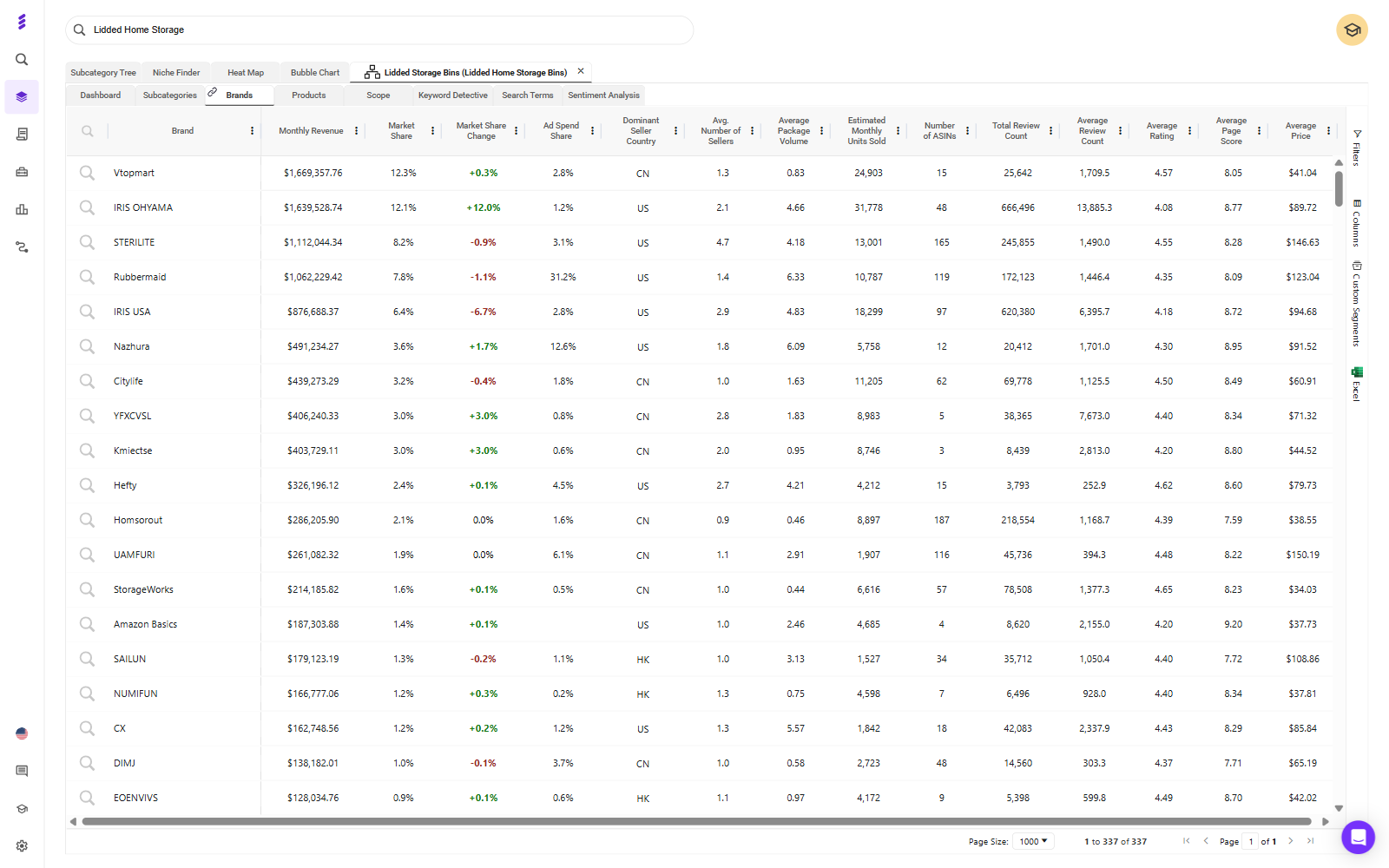
- Brand revenue: Compare verified sales with estimated marketplace revenue.
- Subcategory market share: Establish your position within relevant categories.
- Seller mix: Identify sellers contributing to your brand's marketplace activity.
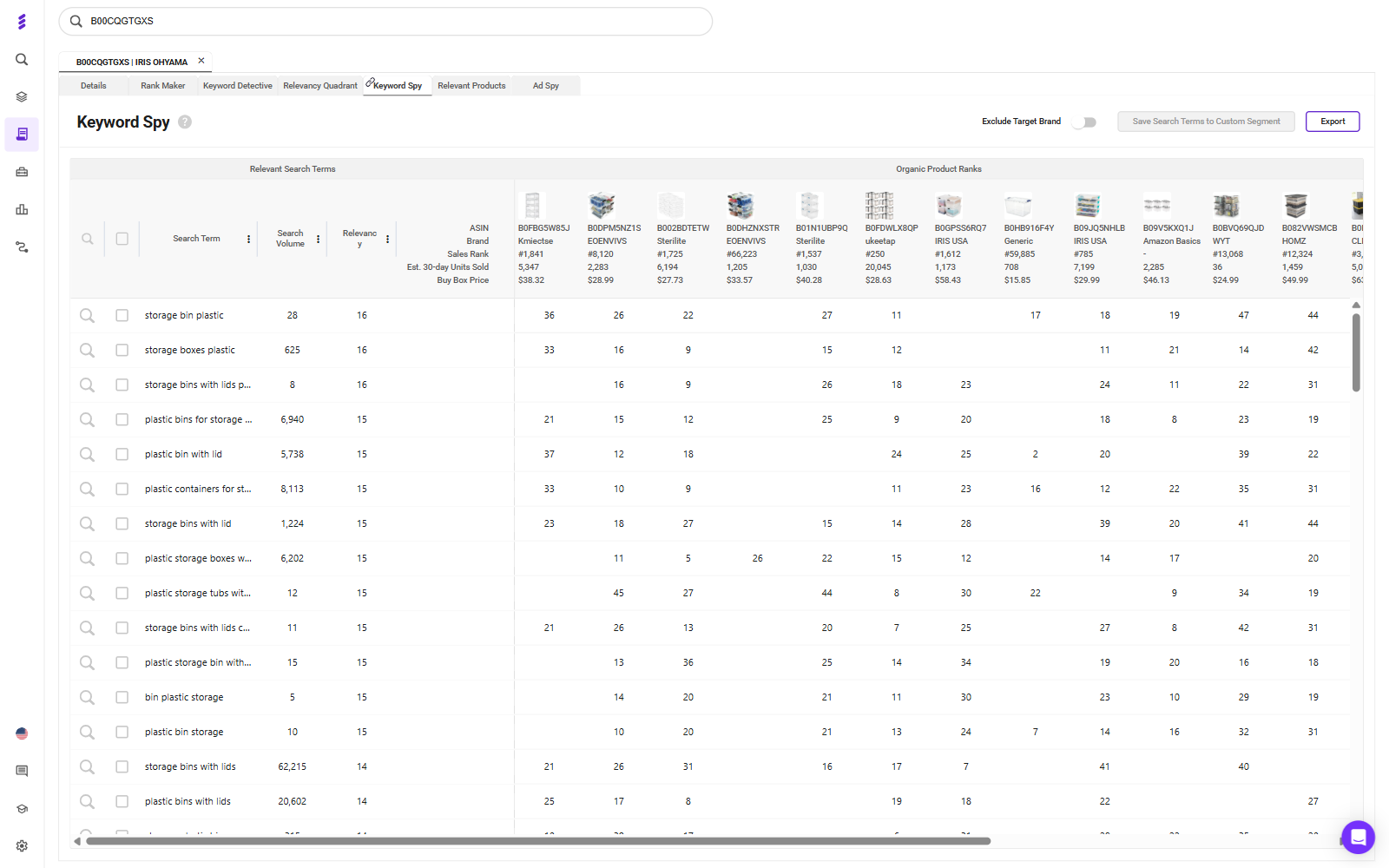
- Competitor set: Track competing brands, products, and pricing.
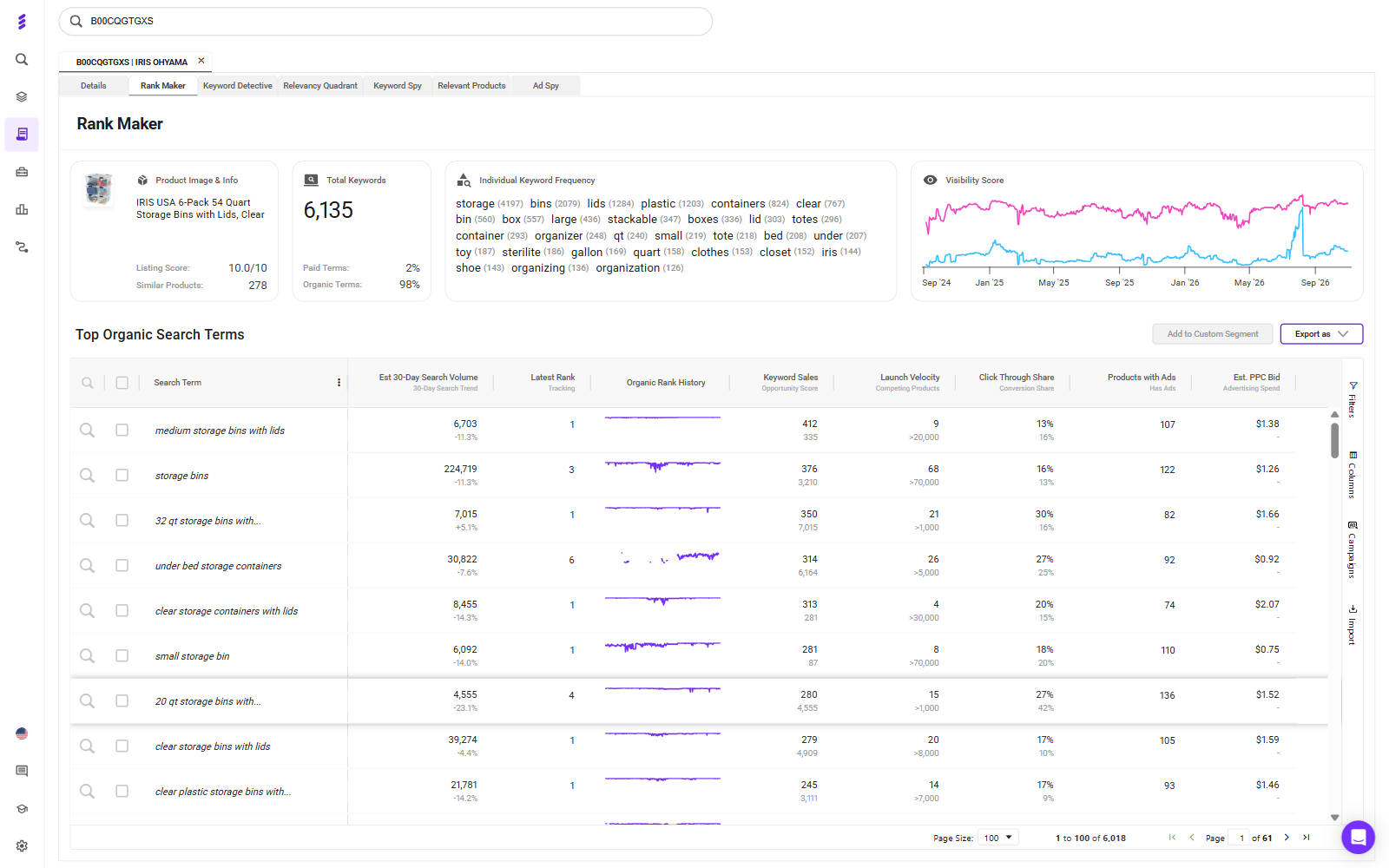
- Advertising position: Compare internal ad spend with estimated competitor activity.
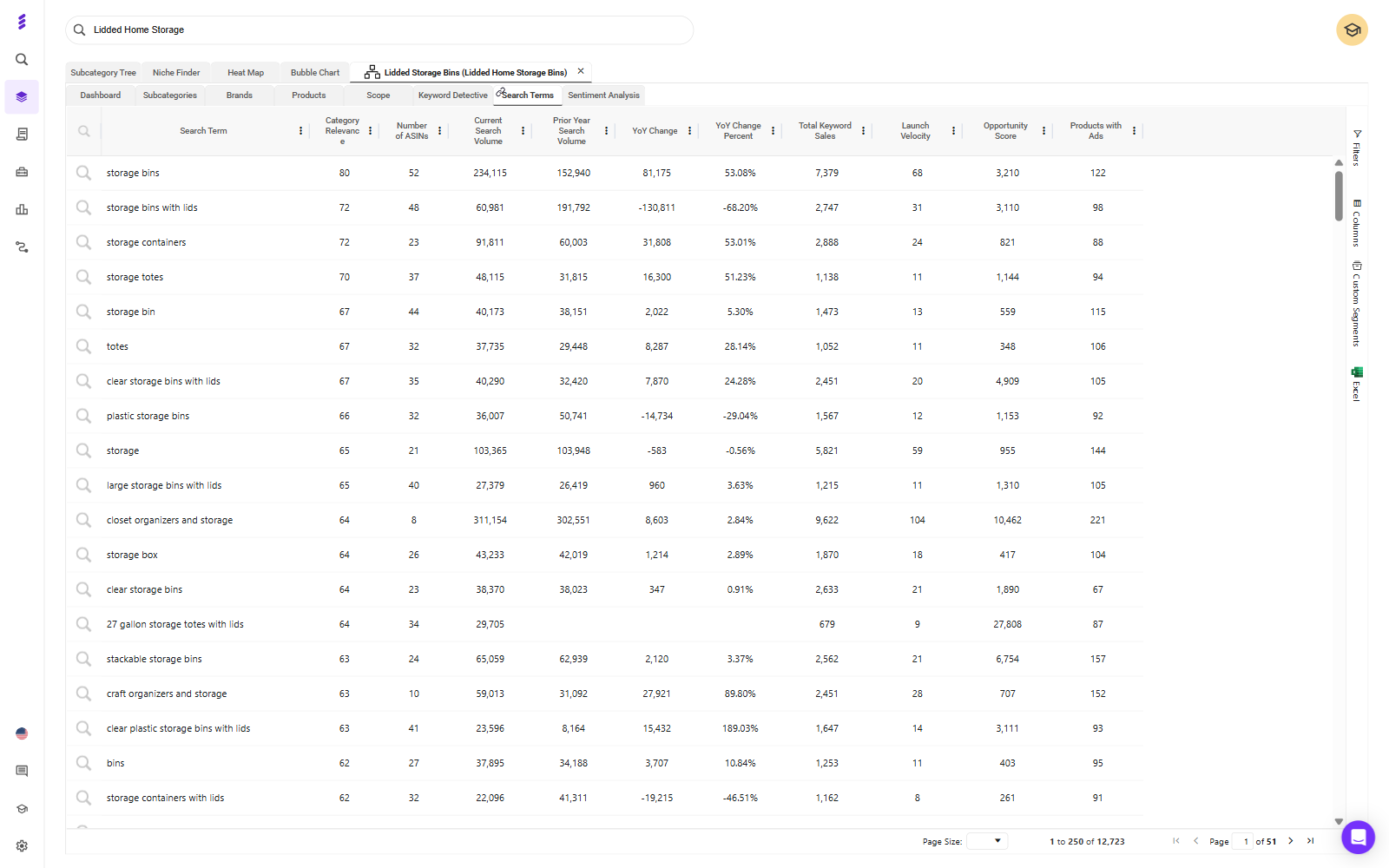
SmartScout provides marketplace intelligence to support these comparisons. Its Amazon market share insights help establish competitive position, while Custom Segments supports analysis of specific competitor groups.
Because SmartScout's marketplace figures are estimates, brands should combine them with verified account data and document reporting periods to maintain consistent comparisons over time.
How To Measure Amazon Agency Performance
Once an Amazon brand management agency begins work, performance reviews should measure progress against the brand's pre-hire baseline. The metrics should reflect the agency's responsibilities and agreed business goals.
- Advertising: Track return on ad spend (ROAS) and acquisition costs.
- Catalog improvements: Evaluate conversion rates.
- Operational performance: Monitor stockout frequency and account health.
These results should also be assessed in context. For example, higher sales may have limited value if advertising costs reduce profitability. Changes in category demand, competitor activity, and market share can help explain performance trends.
Use 30-, 60-, and 90-day reviews to evaluate progress, address gaps, and adjust priorities.
Make a More Informed Amazon Agency Decision With SmartScout
Choosing an Amazon brand management agency requires a clear understanding of your brand's needs and competitive position. With that foundation, you can identify which responsibilities to delegate and set realistic performance expectations.
SmartScout provides the marketplace context needed to inform these decisions, including estimated brand revenue, seller activity, category market share, and competitor performance. Combined with internal sales and advertising data, these insights help brands evaluate potential partners and measure results throughout the relationship.
Get a free Amazon brand report to benchmark your marketplace position and make a more informed agency decision.
FAQs
Does Amazon Offer Its Own Brand Management Agency?

No. Amazon provides Seller Central, Vendor Central, advertising tools, and account support, but it doesn't operate as a traditional full-service agency. Brands seeking additional expertise can work with independent providers that offer specialized Amazon brand management services, with their own pricing and contractual arrangements.
Is Amazon Brand Registry the Same As Amazon Brand Management?
No. Amazon Brand Registry helps eligible brand owners protect intellectual property and manage their brand presence on Amazon. An Amazon brand management agency provides broader operational services. Agencies may help brands use Brand Registry tools, but eligibility and enforcement actions remain subject to Amazon's requirements.
Does an Agency Need To Be an Amazon Ads Partner To Manage Advertising?
No. Agencies can manage Amazon advertising without holding an official Amazon Ads partner designation. However, participating in the program may provide access to additional resources and recognition. Brands should still assess the agency's advertising expertise, campaign management processes, and experience with comparable accounts.
Can an Amazon Agency Help Reinstate a Suspended Seller Account?
Some Amazon account management agencies provide suspension appeal support, including identifying policy violations and preparing corrective action plans. However, brands remain responsible for submitting accurate information and addressing underlying issues. Amazon makes the final reinstatement decision, so agencies cannot guarantee that an appeal will succeed.
Can an Amazon Agency Manage International Marketplaces?
Yes. Some Amazon agencies support brands across multiple regional marketplaces, including the US and Europe. International expansion introduces additional requirements involving localization, advertising, fulfillment, and regulatory compliance. Brands should confirm the agency's regional expertise and identify which responsibilities require specialized local support.