Shoppers can ask Amazon questions such as “Which carry-on fits a weekend trip and a small overhead bin?” For brands and sellers, that makes clear product information essential: your listing needs to explain who a product suits, what it does, and where it fits.
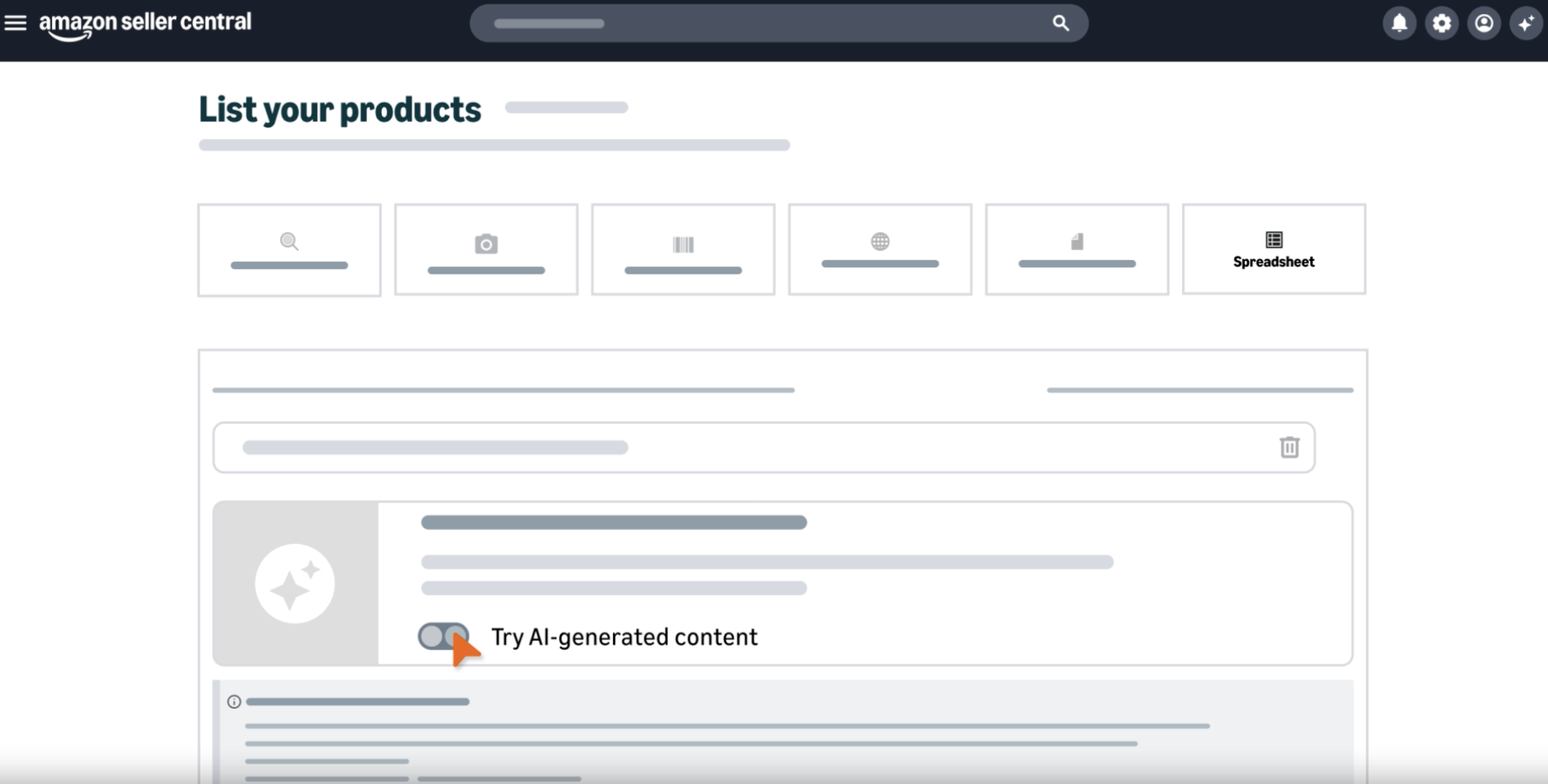
The best software tools for Alexa for Shopping help with different parts of that job. SmartScout helps diagnose content gaps, Azoma offers direct visibility tracking, and ReFiBuy combines product data enrichment with Alexa monitoring. Helium 10, DetailPage, and Salsify help teams create, optimize, and manage product information.
This is a SmartScout-published guide. The selections below reflect each tool’s documented capabilities and practical fit, rather than a controlled performance test.
What Is Alexa for Shopping
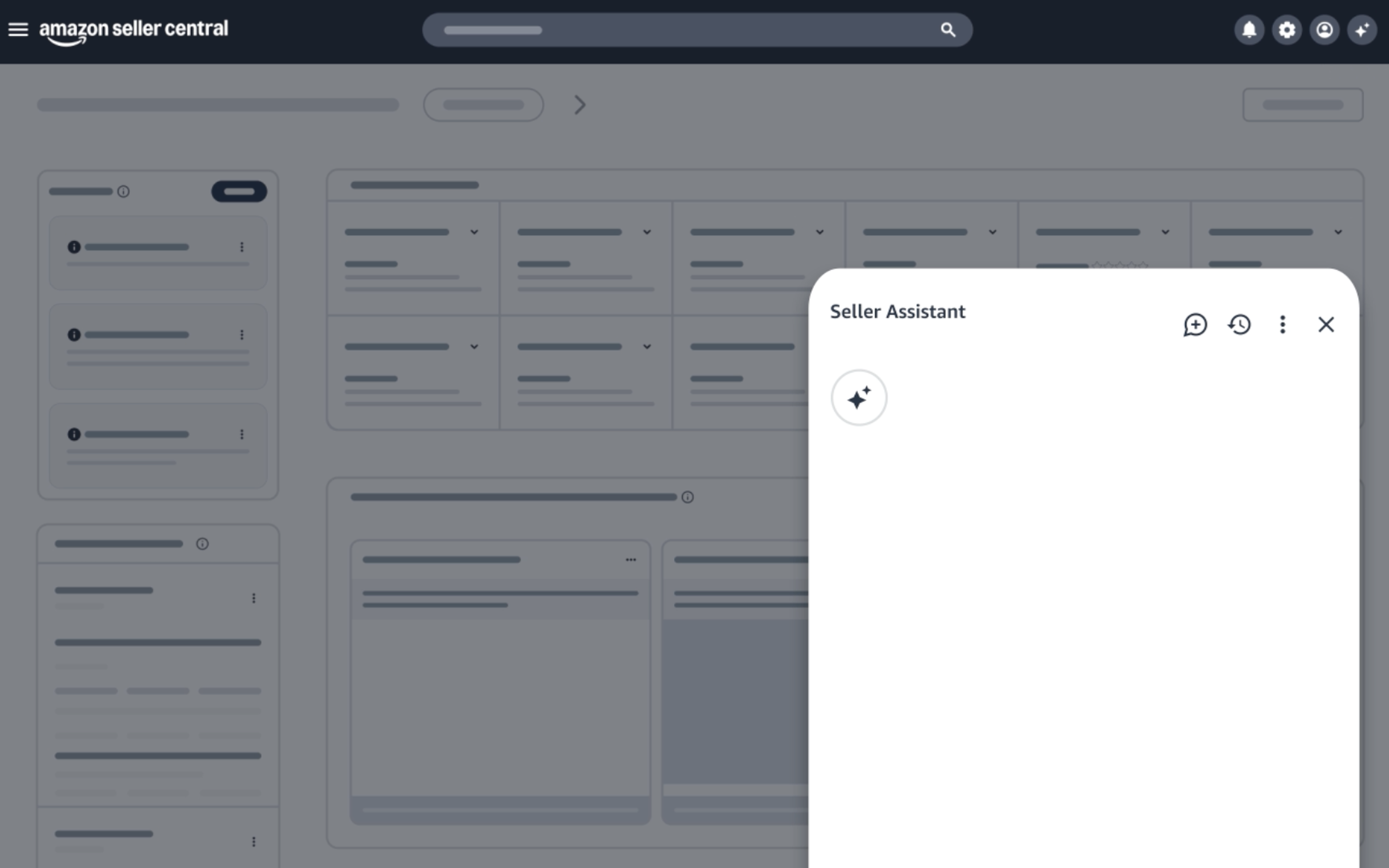
Amazon’s Alexa for Shopping brings together Rufus’s shopping expertise and Alexa+ personalization. It works in the Amazon Shopping app and website, with shopping experiences also available on Echo Show.

Amazon says the assistant combines product knowledge and information from across the web with customers’ preferences, shopping history, and conversations. It can answer questions, compare products, and recommend options.
For sellers, the practical implication is to make product information specific enough to answer real buying questions. Keywords remain useful, but “travel backpack” alone says less than accurate details about capacity, dimensions, compartments, and intended use.
Best Alexa for Shopping Software at a Glance
Content diagnostics, content production, and assistant visibility tracking measure different things. A higher listing score is useful feedback, but it is not proof that Alexa recommended the product.
1. SmartScout
Best for Identifying What Your Amazon Content Needs To Communicate More Clearly.
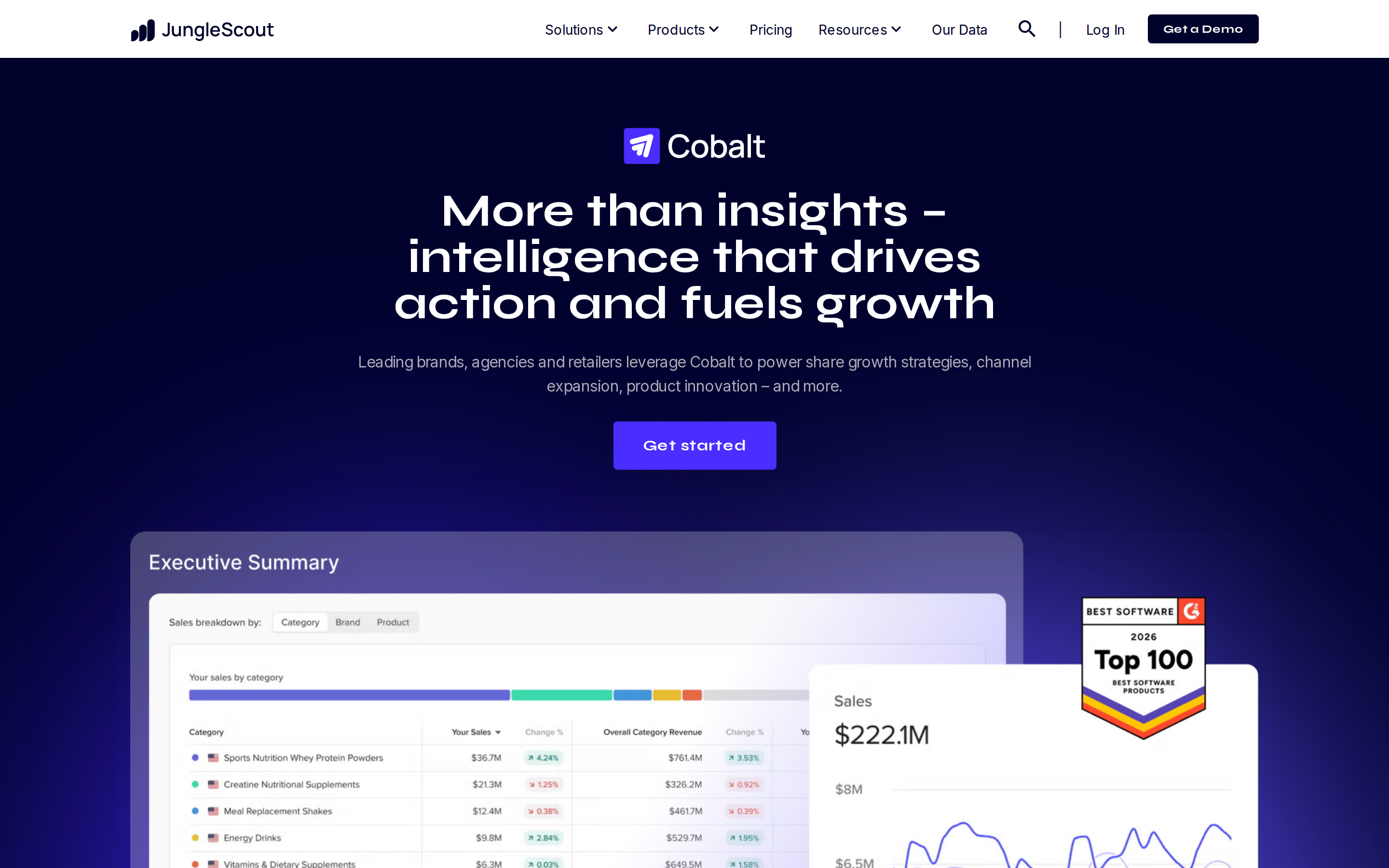
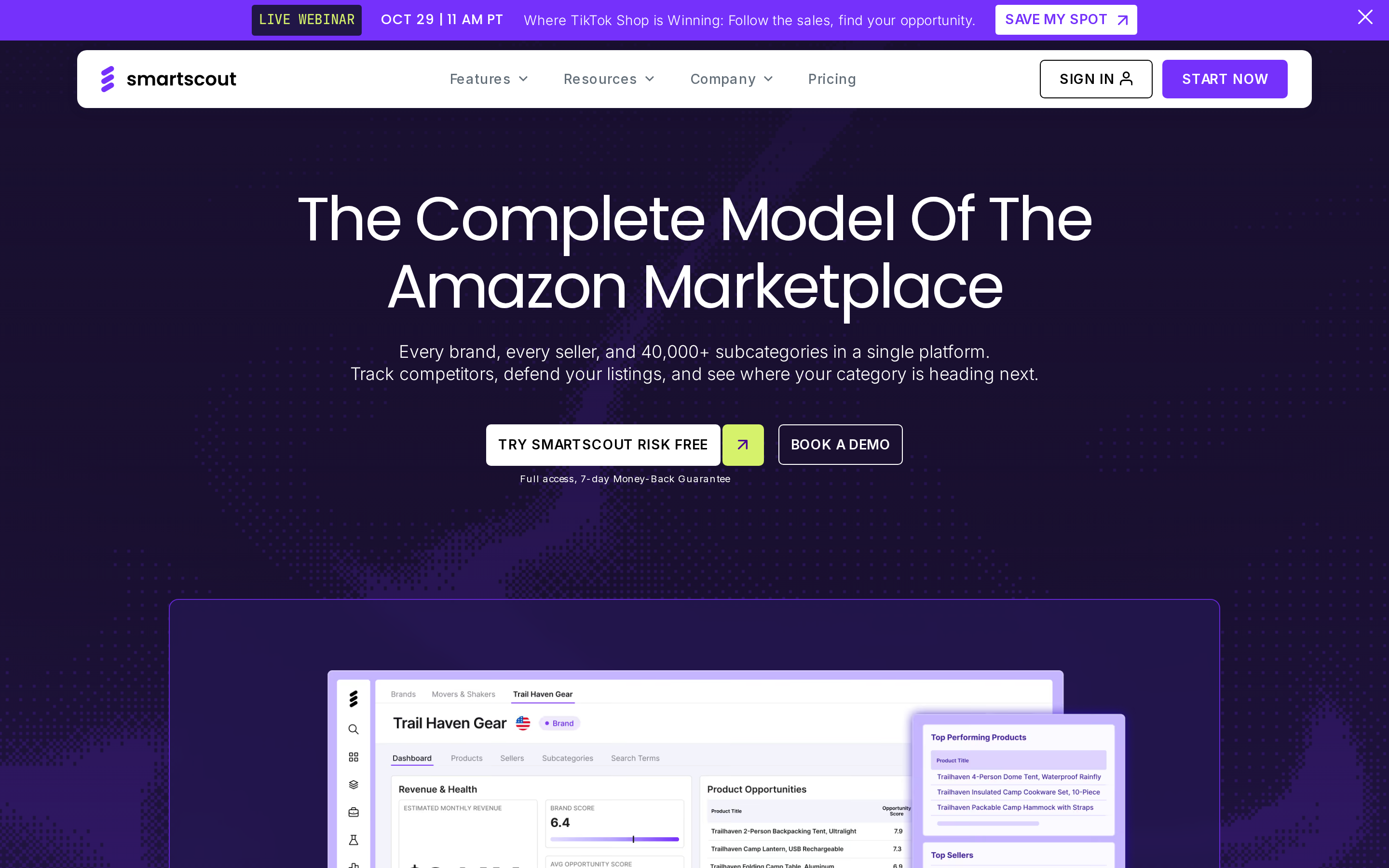
SmartScout’s Amazon AI Scorecard evaluates product content across 15 dimensions aligned with Amazon’s COSMO approach to product understanding. It helps brands assess whether their listings clearly communicate product identity, intended audience, functionality, use cases, and other important context.
The scorecard combines a listing grade with written and visual content analysis and actionable recommendations. That makes it useful for prioritizing improvements across a catalog.
For example, a backpack listing might describe “premium materials” without clearly explaining laptop compatibility or storage capacity. The useful next step is to add verified product details that answer those questions.
The score is SmartScout’s assessment of content readiness, rather than an Amazon-issued rating or a direct measurement of Alexa recommendations.
SmartScout also offers an AI Visibility Monitor that tracks product and brand visibility in ChatGPT, including competitor comparisons and the websites cited in responses. It does not monitor Alexa for Shopping.
That separate view can help brands identify web content and mentions to investigate as part of a broader AI discovery strategy. ChatGPT citations do not establish which sources Alexa uses for the same question.
Choose SmartScout when: You want a practical Amazon content audit alongside visibility into how ChatGPT presents your products.
2. Azoma
Best for Brands That Want To Measure Visibility Directly Inside Alexa for Shopping.
Azoma advertises share-of-voice tracking for Alexa for Shopping at the category, brand, and ASIN level. Its product-level tools track mentions, rankings, and competitive visibility across shopper queries.
It also offers a Conversation Explorer for identifying product questions and citation intelligence for examining websites referenced in shopping recommendations.
For teams asking, “Are we appearing, and which competitors appear instead?” this is a more direct fit than a content score alone. During evaluation, ask how the platform selects prompts, repeats measurements, and handles personalization. Those details determine what its visibility metrics represent.
Choose Azoma when: Measuring Alexa recommendations and competitive presence is a central requirement.
3. Helium 10
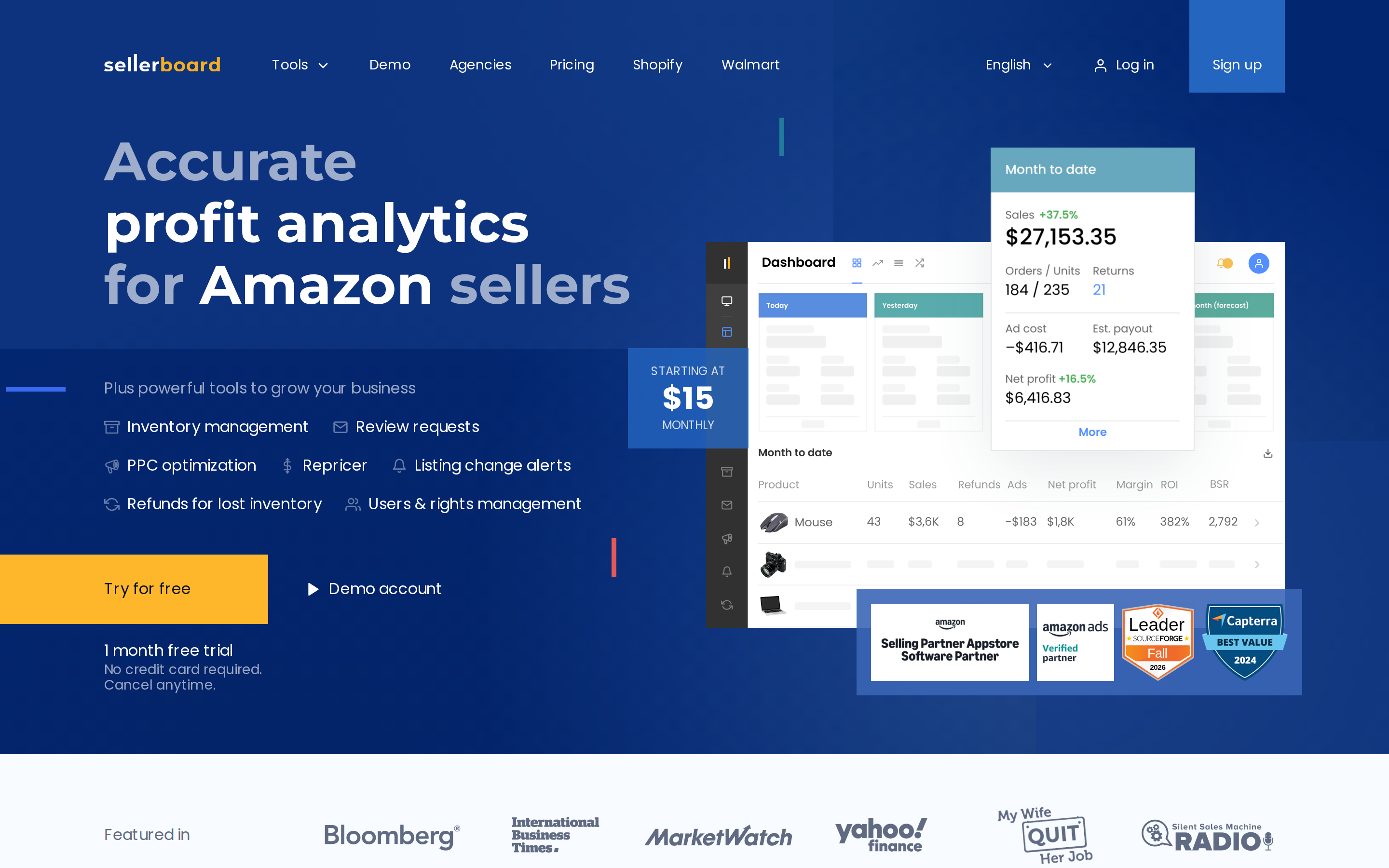
Best for Combining Keyword Research With Questions Shoppers Ask Amazon’s AI.Helium 10’s AI Listing Builder combines keyword inputs, product information, images, and brand voice to generate listing content.
Its documented Rufus integration lets users enter up to two ASINs and incorporate extracted customer questions and concerns into listing generation. That is useful when a listing includes relevant keywords but still leaves important buying questions unanswered.
Its strength here is turning research into titles, bullets, and descriptions. Treat that workflow as content optimization rather than evidence of increased Alexa share of voice.
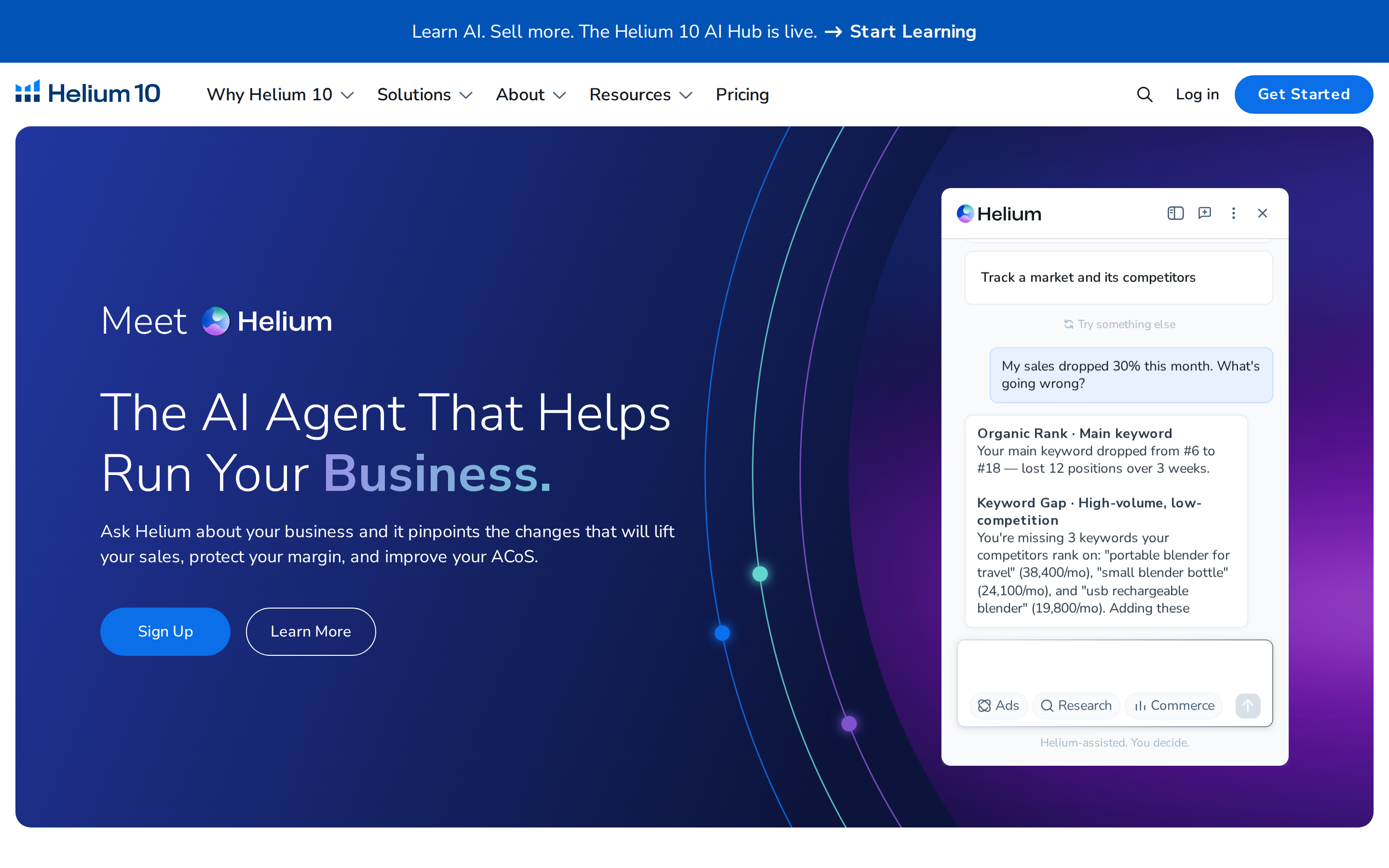
Choose Helium 10 when: Your team already uses its keyword tools and wants shopper questions incorporated into listing updates.
4. DetailPage
Best for Brands That Want Managed Content Optimization Backed by Retail Analytics.DetailPage combines product detail page content optimization, image analysis, and analytics. Its search offering addresses traditional retailer search and AI shopping discovery, including Amazon’s shopping assistant.
The service includes content updates, uploads, monitoring, and support tickets. Its image analysis uses customer feedback to identify important features and gaps in how product benefits are communicated, helping teams turn recommendations into published improvements.
DetailPage’s Insights platform also provides Amazon metrics and share-of-voice reporting for ChatGPT and Gemini. Keep those chatbot metrics separate from Alexa visibility: its relevance here is primarily content optimization and execution.
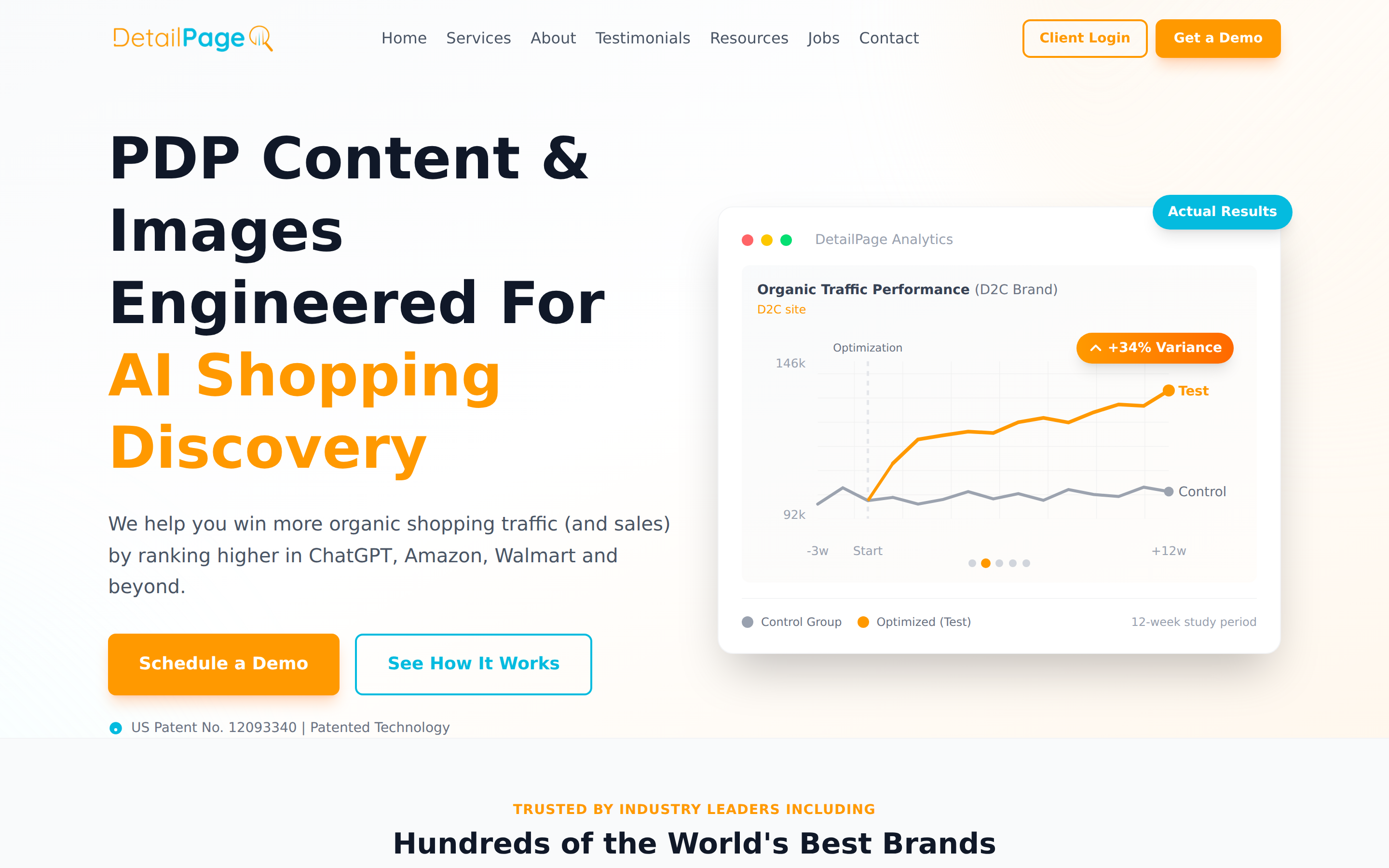
Choose DetailPage when: You want a partner to improve and maintain product content, with analytics to support ongoing decisions.
5. ReFiBuy
Best for Connecting Amazon Listing Assessments, Product Data Enrichment, and Alexa Visibility Monitoring.ReFiBuy’s Alexa for Shopping offering identifies gaps in Amazon product data, recommends improvements to content and attributes, and tracks how products appear in the assistant’s responses.
Its Amazon PDP Score establishes a baseline across availability, findability, trust, and selection. Teams can compare existing and proposed content, review confidence scores, and approve, edit, or reject recommendations before using them.
This workflow is useful when product knowledge exists inside the business but is missing from listings—for example, details about fit, materials, or specific use cases. ReFiBuy connects those content improvements with ongoing observation of Alexa responses; its PDP score remains a diagnostic, not an Amazon-issued ranking.
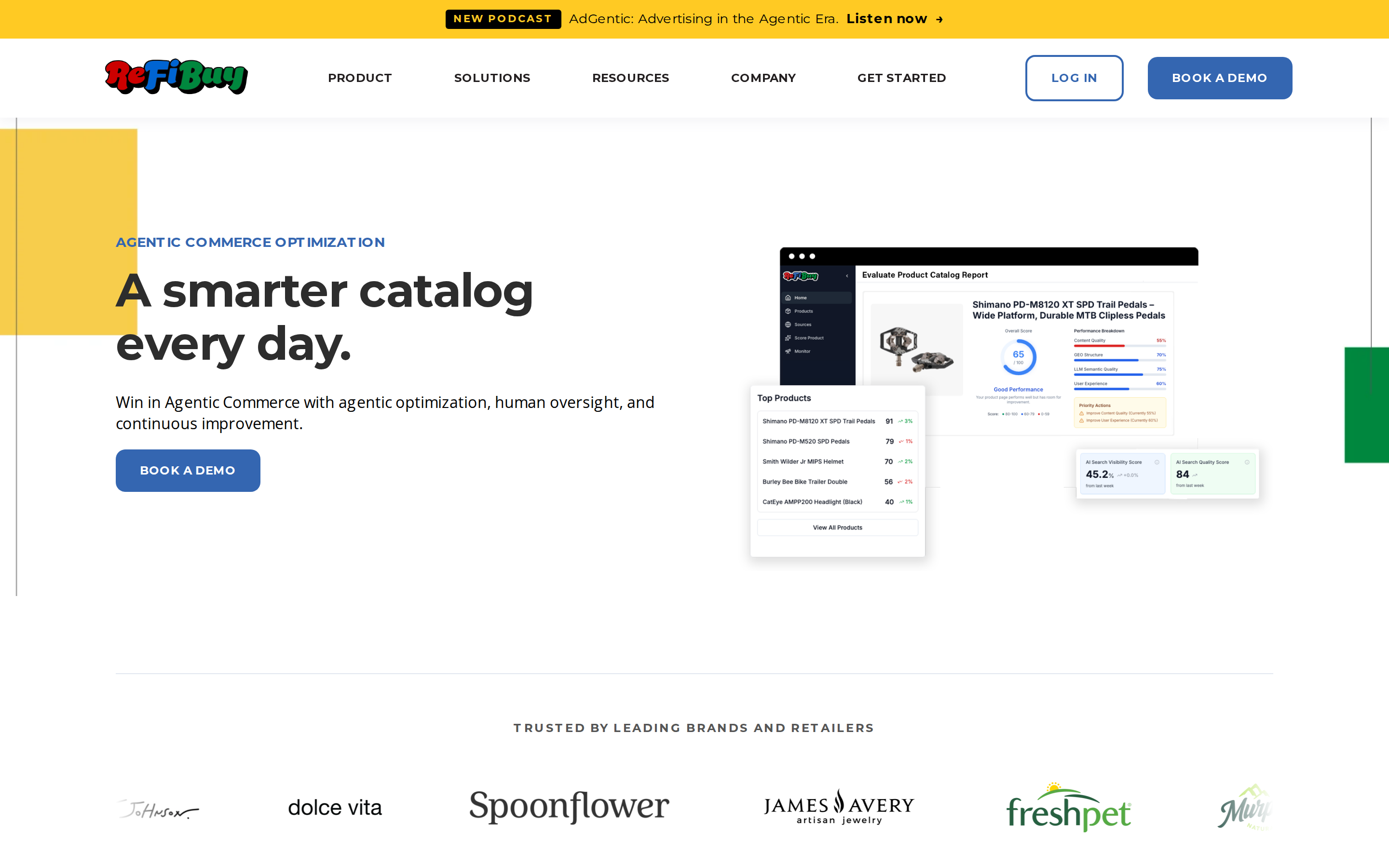
Choose ReFiBuy when: You want listing enrichment and Alexa visibility monitoring in the same workflow, with human review of proposed changes.
6. Salsify
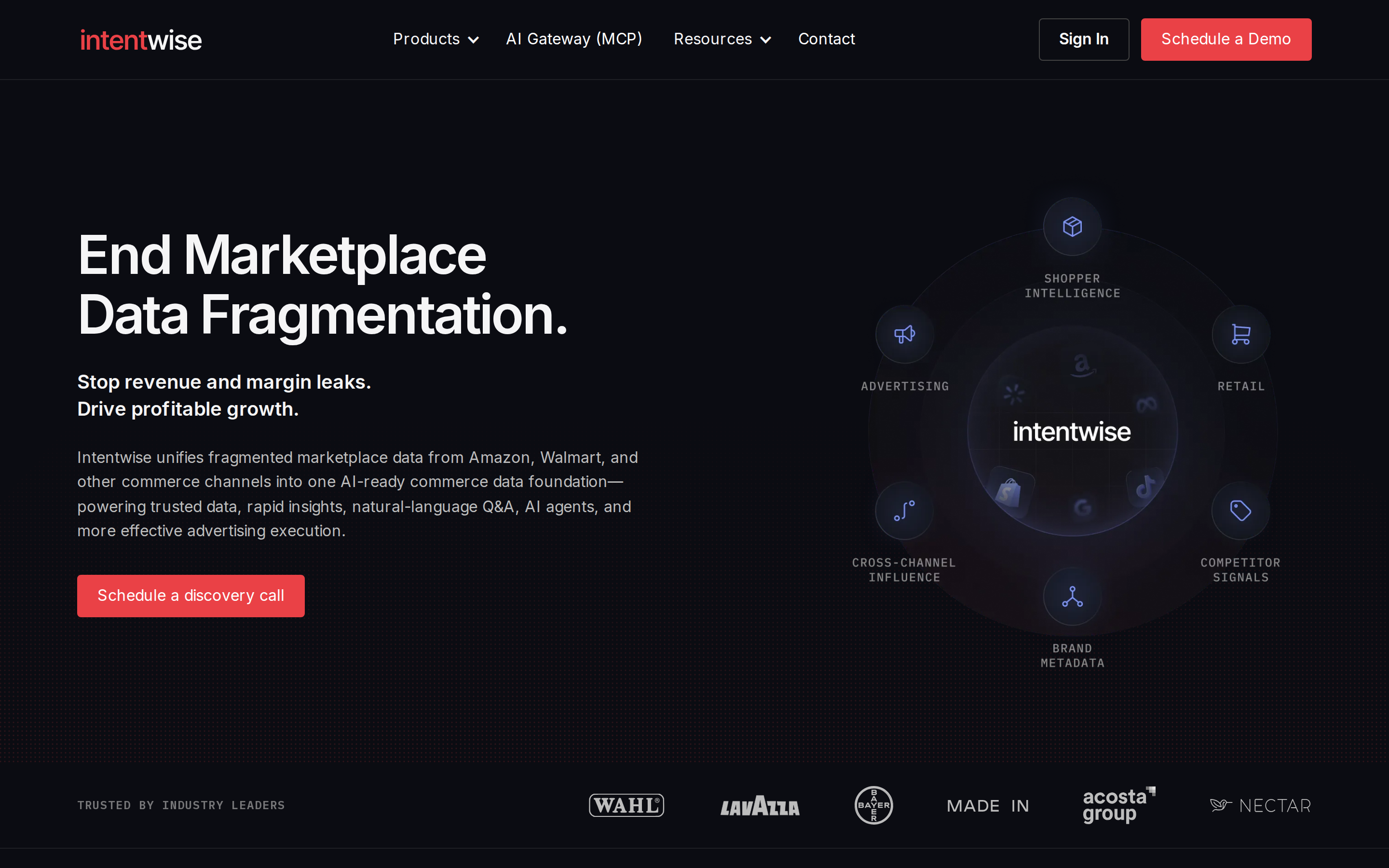
Best for Brands Managing Product Information Across Large Catalogs and Multiple Channels.Salsify centralizes product data and digital assets, syndicates content to Amazon, and supports publishing Basic and Premium A+ content through direct integrations.
For larger brands, the obstacle is often inconsistent information: specifications live in one system, images in another, and retail pages contain outdated descriptions.
Salsify helps teams maintain and distribute that information. Its relevance to Alexa for Shopping is the foundation it provides for complete, consistent product content; its Amazon publishing capabilities are not themselves a measurement of AI recommendations.
Choose Salsify when: Content governance, catalog consistency, and publishing workflows are your biggest challenges.
How To Improve Your Visibility in Alexa for Shopping
Start with a small group of important ASINs and follow a repeatable process.
- Define realistic shopper questions. Include use cases, comparisons, compatibility, dimensions, and limitations.
- Audit your content. Use SmartScout’s AI Scorecard to identify missing or unclear information.
- Publish specific improvements. Update relevant attributes, bullets, descriptions, images, and A+ content with verified facts.
- Measure the right outcome. Track Alexa answers separately from keyword rankings, content scores, and ChatGPT visibility.
- Repeat the same questions over time. Record the prompt, date, marketplace, and testing conditions so changes are easier to interpret.
Because Amazon personalizes its assistant, one answer is a snapshot. Look for repeatable patterns across a defined question set.
Which Tool Should You Choose
For brands and sellers starting with listing improvements, SmartScout is a strong starting point. Its AI Scorecard turns content gaps into an actionable list of fixes.
Add Azoma for direct Alexa visibility measurement, or ReFiBuy for a workflow combining listing enrichment and Alexa monitoring. Choose Helium 10 for listing generation tied to keyword research, DetailPage for managed content optimization, or Salsify for catalog management.
The goal is to give Amazon clear, accurate information that helps it match your products to relevant shopper needs.