Key Takeaways
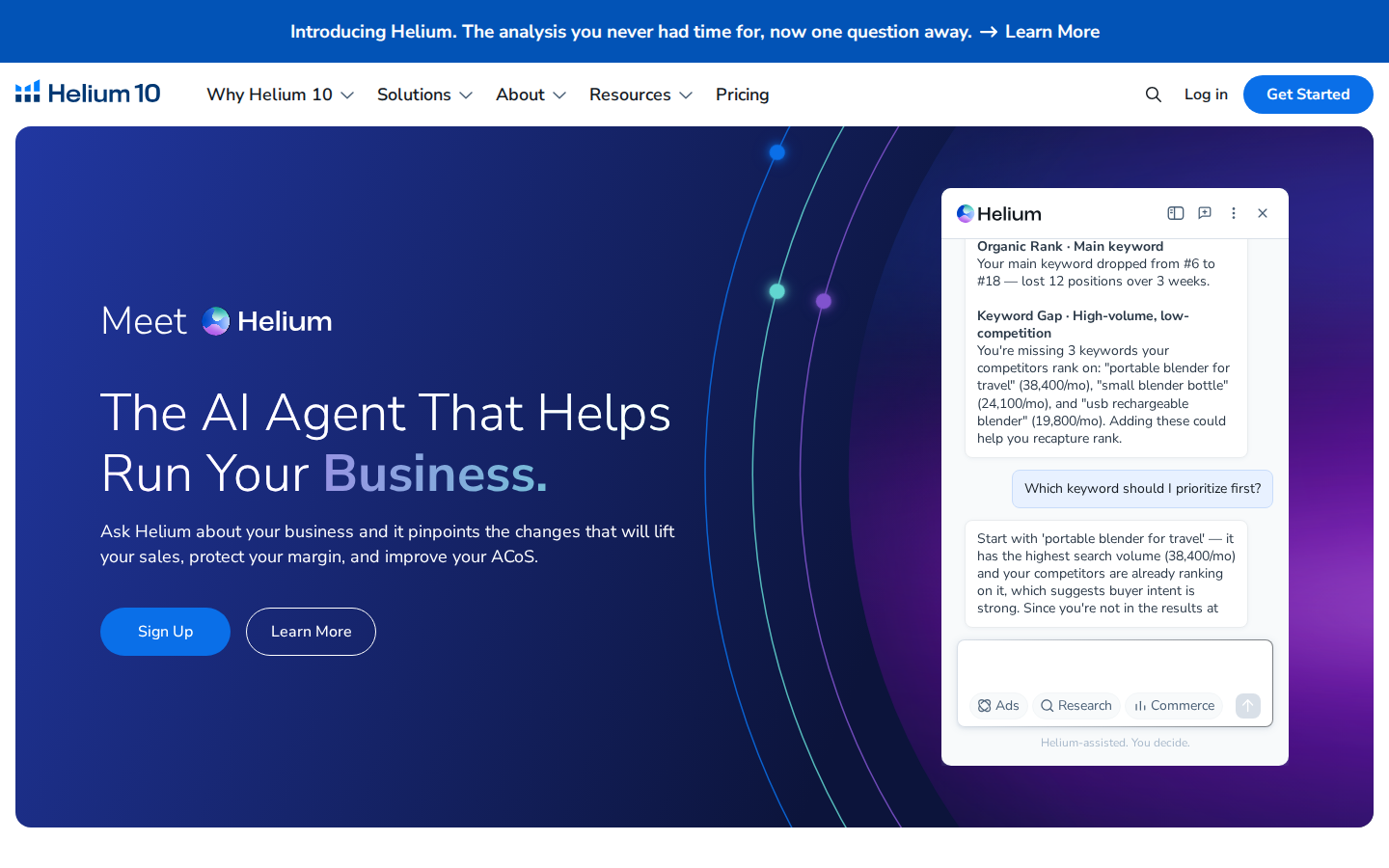
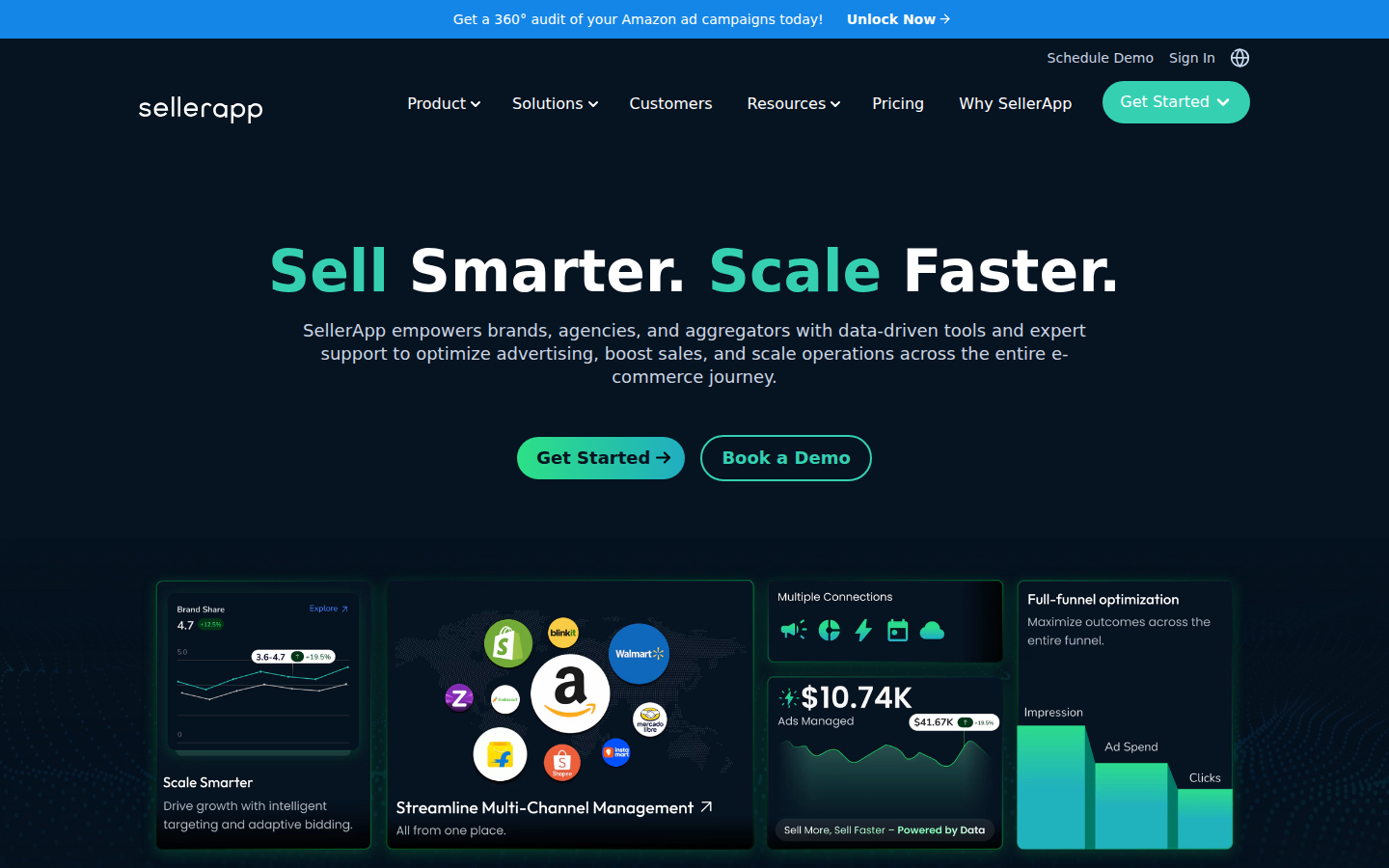
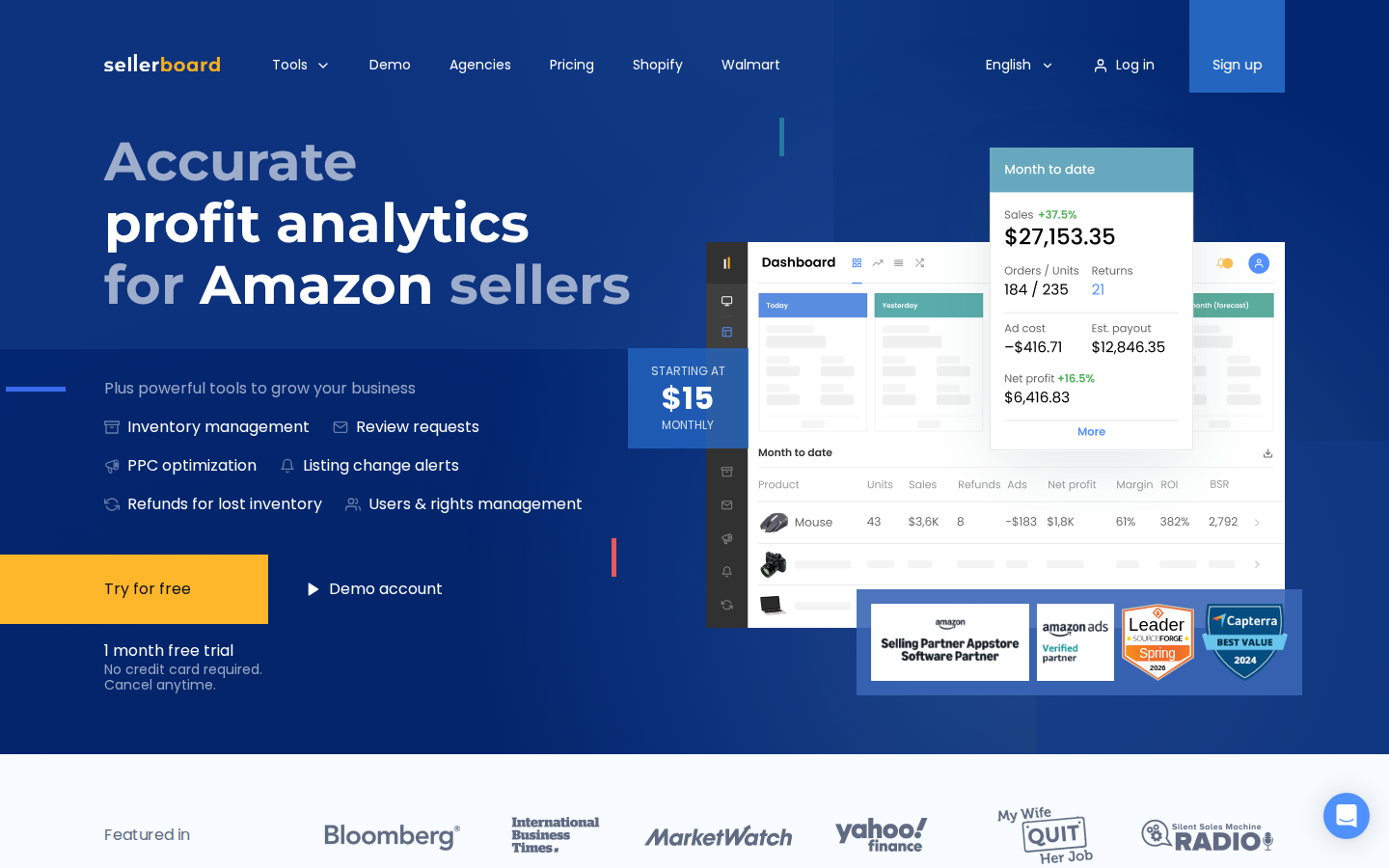
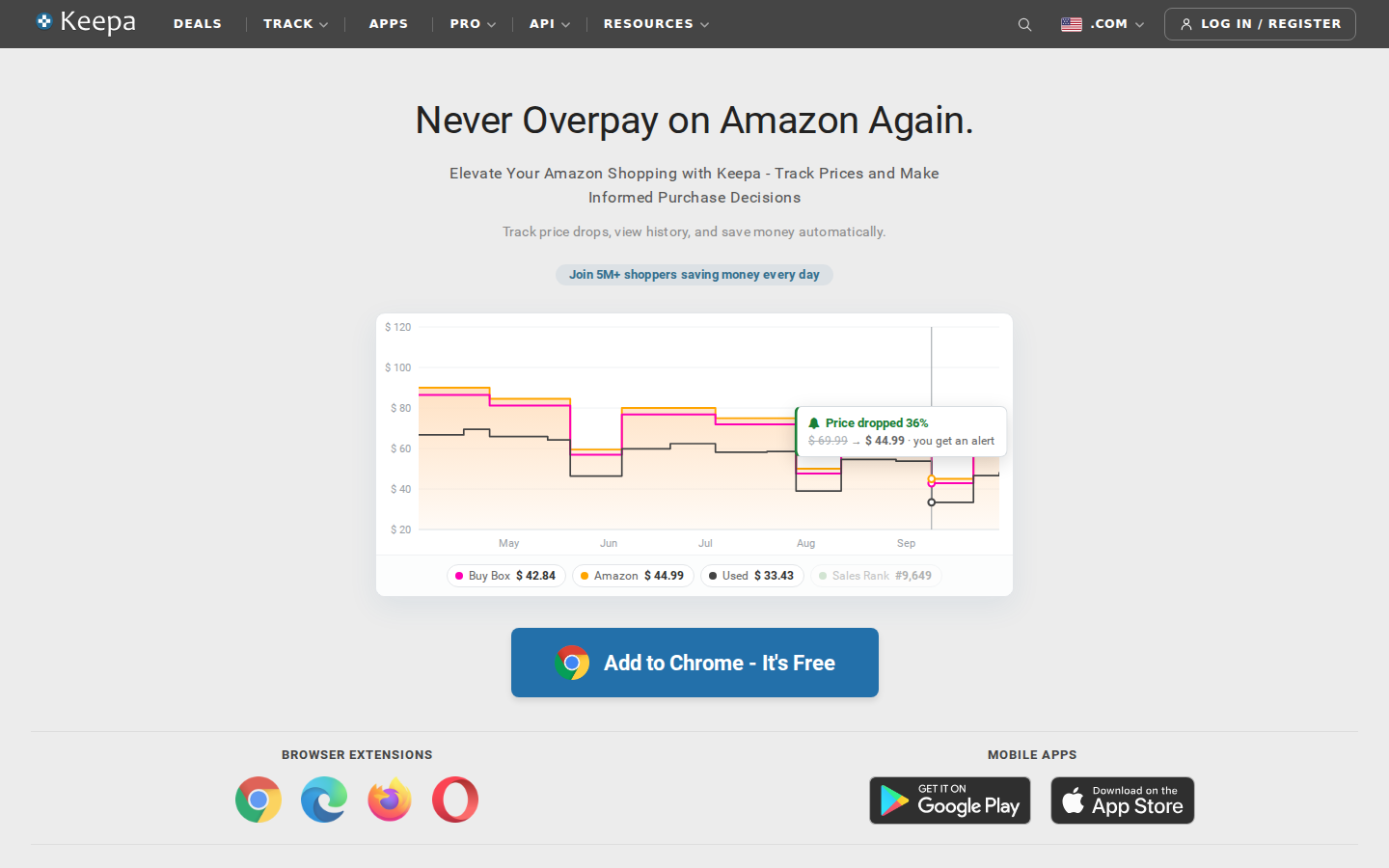
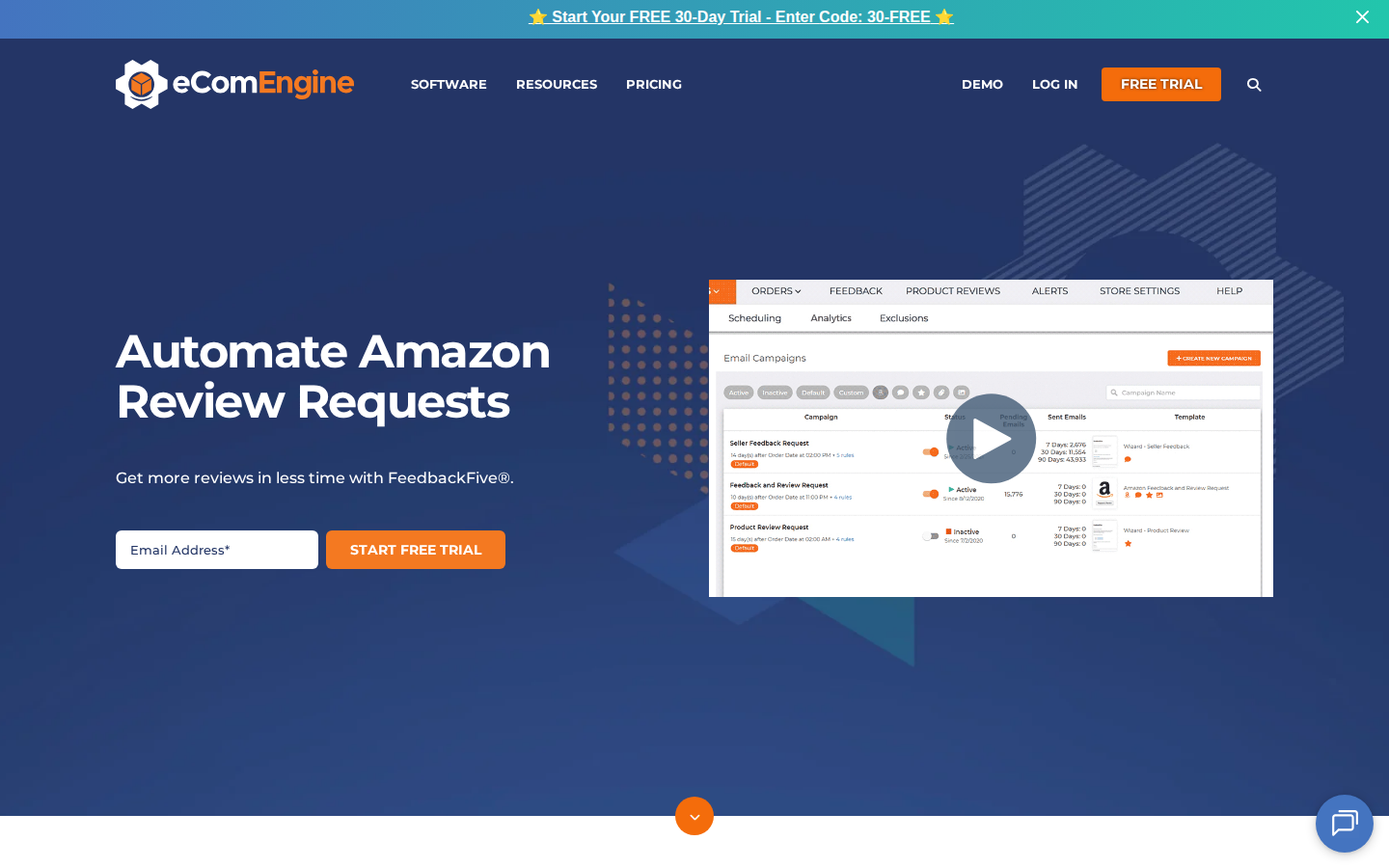
- The platforms are easiest to compare by use case: Stackline supports retail growth and media workflows, Profitero+ focuses on enterprise digital shelf management, and SmartScout specializes in Amazon marketplace research.
- Broader retailer coverage is not automatically better; the right platform depends on where your team sells and which decisions it needs to make.
- SmartScout offers public self-service plans in addition to enterprise options, while Stackline and Profitero primarily direct prospective customers through sales conversations.
When comparing SmartScout vs Stackline vs Profitero+, the biggest difference is the type of ecommerce operation each platform is built to support. Stackline and Profitero+ serve broader retail and digital shelf needs, while SmartScout focuses on Amazon marketplace intelligence.
SmartScout is often a stronger fit for Amazon-focused teams that want direct access to product, brand, seller, category, keyword, and advertising intelligence without the scope of a broader omnichannel platform.
This comparison examines retailer coverage, analytics capabilities, implementation, pricing models, and day-to-day workflows to help you determine which platform best fits your team.
SmartScout vs Stackline vs Profitero at a Glance
Each platform approaches ecommerce intelligence from a different starting point. Stackline combines retail performance, media, forecasting, and shopper analytics; Profitero+ emphasizes digital shelf execution across retailers; and SmartScout specializes in Amazon market and competitive research.
The practical question is therefore not simply, “Which platform has more data?” Buyers should ask whether they need enterprise omnichannel commerce intelligence or more accessible, deeper intelligence for a specific marketplace.
SmartScout: Best for Amazon Marketplace Intelligence
Best for: Amazon sellers, brands, agencies, wholesalers, and marketplace teams that need connected research across product, category, brand, seller, keyword, and advertising.
SmartScout is built around understanding the Amazon marketplace as an ecosystem. Instead of examining one ASIN at a time, users can move across connected marketplace data to see how products, brands, sellers, search behavior, and advertising shape a market.
Key Strengths
- Product and Subcategory Research: Analyze products and subcategories to compare demand, competition, revenue potential, and market structure before pursuing an opportunity.
- Brand and Seller Intelligence: Find brands, identify the sellers carrying their products, and map competitors, sourcing targets, prospects, or acquisition opportunities.
- Keyword Intelligence: Use Amazon keyword research to compare search terms, identify keyword overlap, and understand how competing products gain visibility.
- Advertising Intelligence: Use Ad Spy for Amazon PPC competitor research to see where competitors are advertising and uncover potential paid search opportunities.
- Historical Market Intelligence: Examine changes in revenue, market share, seller activity, and other marketplace signals to understand how a category or competitor is moving over time.
- Data Access and Enterprise Support: Export research or use API access when teams need to incorporate SmartScout data into internal reporting and analysis.
Things to Consider: SmartScout is purpose-built for Amazon research rather than global digital shelf management, so a multinational brand that must monitor content compliance, assortment, and availability across hundreds of retailers may need a broader platform.
Stackline: Best for Connected Retail Growth
Best for: Large brands and commerce teams that want to connect retail intelligence with forecasting, advertising, shopper behavior, and execution.
Stackline has expanded well beyond traditional digital shelf analytics. Its platform brings together several products, including Atlas for competitive ecommerce intelligence, Beacon for forecasting and automation, Shopper Analytics, Ad Manager, and other capabilities spanning sales, pricing, content, and retail operations.
Key Strengths
- Competitive market intelligence: Atlas covers signals such as traffic, conversions, pricing, reviews, advertising, and market share across a large product universe.
- Retail media: Stackline supports advertising management and analysis across retailers, including competitor ad spend and keyword intelligence.
- Forecasting: Beacon offers SKU-level forecasting, scenario modeling, and recommendations that connect planning with retail performance.
- Shopper analytics: Teams can examine shopping behavior across multiple retailers and connect insights to audience and media decisions.
- Commerce operations: Bring pricing, promotions, content, advertising, and other retail workflows into the same broader platform.
Things to Consider: Stackline directs buyers toward a personalized demo rather than displaying standard software subscription prices on the public pages reviewed.
Profitero: Best for Enterprise Digital Shelf Management
Best for: Large brands and manufacturers that need to monitor and improve product performance across many retailers, markets, and regions.
Profitero+ centers its digital shelf offering on the factors that determine whether products are visible, available, accurately represented, and competitive across online retailers. The company reports tracking more than 80 million products across more than 1,400 retailers in over 70 countries.
Key Strengths
- Content monitoring: Teams can identify product content gaps and improve how listings meet retailer requirements.
- Search visibility: Profitero+ helps brands monitor where products appear in retailer search results.
- Pricing intelligence: Users can compare pricing trends against competitors and across retailers.
- Availability monitoring: Product-level availability data can reveal out-of-stock issues and other sales risks.
- Broad retailer coverage: Global teams can monitor digital shelf performance across many markets from a common platform.
- Enterprise integrations: Profitero+ publicly highlights connections with systems and partners including Salsify, Circana, Skai, Pacvue, Amazon DSP, and Walmart DSP.
Things to Consider: Teams operating primarily on Amazon should determine whether they need Profitero+'s extensive cross-retailer monitoring or a more specialized marketplace research workflow.
Which Digital Shelf Platform Gives Your Team the Right Data Coverage?
The best data coverage is not always the broadest. A platform that tracks hundreds of retailers can be valuable for a global brand, but it may add unnecessary complexity for a team that operates primarily on Amazon.
Before comparing platforms, define what “coverage” means for your business. Focus on the markets, products, competitors, and decisions your team actually needs to understand.
Multi-Retailer Coverage
Broad retailer coverage matters most for brands that sell across many ecommerce channels, regions, or retail partners. These teams may need to compare product availability, pricing, content, search visibility, and assortment across multiple storefronts.
Look for coverage that helps you answer questions such as:
- Are our products consistently represented across retailers?
- Where are pricing or availability issues appearing?
- How does performance vary by retailer or region?
- Are important products losing visibility in search results?
Marketplace-Level Depth
Teams focused on a single marketplace often need deeper data rather than broader retailer coverage. On Amazon, that can mean understanding how categories, products, brands, sellers, keywords, and ads relate to one another.
This type of marketplace detail can support Amazon product research by helping teams evaluate competition, market structure, demand, and opportunity before making a product or growth decision.
Brand and Seller Visibility
Product-level data only tells part of the story. Agencies, wholesalers, business buyers, and marketplace teams may also need to understand which brands are active in a market, who sells their products, and how concentrated the competitive landscape is.
Brand- and seller-level visibility can help teams:
- Find prospective partners or clients
- Evaluate sourcing opportunities
- Map competitors
- Identify dominant sellers
- Understand how a category is structured
Historical and Competitive Context
Teams should also look for enough historical and competitive context to distinguish a temporary change from a meaningful market shift.
Historical data can help teams see whether demand, pricing, market share, seller activity, or competitive pressure is changing over time. Competitive data adds another layer by showing what other brands and sellers are doing around the same opportunity.
The goal is to choose a platform that gives your team the right data to answer the questions behind its day-to-day decisions.
How to Choose the Right Digital Shelf Platform
Choosing a digital shelf or commerce intelligence platform starts with your operating needs, not the longest feature list. The right tool should match the channels your team manages, the decisions it makes regularly, and the amount of complexity it can realistically support.
Start With Your Channel Mix
First, consider where your business actually operates. A global brand selling through many retailers may need cross-retailer monitoring, while an Amazon-focused team may get more value from deeper marketplace intelligence.
Ask whether your team primarily needs:
- Visibility across multiple retailers and regions
- Deep Amazon marketplace research
- A combination of marketplace, media, and shopper analytics
Define the Workflows You Need to Support
Next, identify the recurring jobs the platform needs to make easier. This is more useful than comparing feature counts because two platforms may both offer “analytics” yet support very different decision-making.
Common workflows include:
- Monitoring content, pricing, availability, and search visibility
- Researching categories, products, brands, and sellers
- Analyzing retail media and competitor advertising
- Forecasting demand or planning inventory
- Finding sourcing, prospecting, or growth opportunities
- Connecting marketplace data to existing reporting or business intelligence systems
Prioritize the workflows your team will use frequently rather than paying for capabilities that seem useful but may rarely influence decisions.
Factor in Implementation and Team Resources
Broader platforms may involve more stakeholders, integrations, configuration, and training. That investment can make sense when several departments depend on the system, but it can slow adoption if the primary need is straightforward research. Match implementation demands to the size and complexity of the team that will actually use the platform.
Compare Pricing and Access Alongside Capabilities
Finally, look beyond the headline cost. Compare the full cost of getting the data and access your team actually needs, not just the initial price or quote.
Also consider how easily your team can get started. Self-service access may matter to teams that want to begin researching immediately, while larger organizations may expect a customized enterprise deployment.
Checklist: Questions to Ask Before You Buy
A platform can have impressive capabilities and still be the wrong fit for how your team works. Before comparing demos, define what you expect the software to help you accomplish by asking:
- Which retailers actually matter to us? Do you need visibility across hundreds of retailers or primarily Amazon?
- What decisions will we make with the data? Define whether you are optimizing content, evaluating categories, managing media, forecasting demand, finding sellers, or researching competitors.
- How much seller-level intelligence do we need? Teams involved in wholesale sourcing, prospecting, acquisitions, or competitor mapping may need more than product-level data.
- Do we need analysis or execution? Some teams want a research platform, while others need software that also supports campaign management, forecasting, content workflows, or operational automation.
- Who will use and manage the platform? Consider which teams need access, how much training they will require, and who will own setup and ongoing administration.
- What systems need to connect to it? Ask about APIs, data exports, data warehouses, media platforms, and existing ecommerce software.
- How will pricing change as our usage grows? Compare user limits, retailer coverage, markets, exports, historical data, integrations, API access, and add-ons, rather than relying solely on an initial quote.
- How quickly can the team answer its first useful business question? A deep feature set matters less if the team struggles to turn it into useful answers.
These questions also make vendor demos more useful. Instead of asking each provider to walk through its entire platform, give it two or three real decisions your team regularly faces and see how the software handles them.
Choose the Right Amazon Research Workflow With SmartScout
SmartScout is a strong fit for teams that need deeper Amazon marketplace intelligence without the broader scope of an enterprise omnichannel platform. It brings Amazon market and competitive research into one connected workflow, helping teams investigate opportunities without jumping between disconnected data sources.
For sellers, brands, agencies, wholesalers, and marketplace teams that operate primarily on Amazon, that specialization can make research faster and easier to act on.Explore SmartScout’s Amazon product research capabilities, or contact SmartScout to discuss which tools and data fit your Amazon strategy.
FAQs
Is Stackline, Profitero, or SmartScout Better for Amazon?

It depends on what you are trying to accomplish on Amazon. Stackline is a stronger fit when Amazon is part of a broader retail media, forecasting, shopper analytics, and commerce operation, while Profitero+ is well suited to digital shelf monitoring and execution across Amazon and other retailers.
SmartScout is more focused on Amazon marketplace research. It is particularly relevant when teams need to investigate products, categories, brands, sellers, keywords, or competitor advertising without adopting a broader omnichannel suite.
What Is the Main Difference Between the Platforms?
Stackline is built around connected retail growth, Profitero+ around enterprise digital shelf management, and SmartScout around Amazon market intelligence. The right choice depends on whether your team needs broad cross-retailer operations or deeper marketplace-specific research.
How Much Do Stackline and Profitero Cost?
Neither Stackline nor Profitero+ displayed standard subscription prices on the official sales and product pages reviewed for this article. Both direct prospective customers toward demos, so buyers should ask how retailer coverage, users, modules, markets, integrations, support, and data access affect the final cost.
SmartScout publishes self-service subscription options in addition to custom enterprise access. Because plans and packaging can change, buyers should check the current pricing page before making a decision.
Which Platform Is Best for Amazon Competitive Research?
SmartScout is the most directly focused on Amazon competitive research, with connected data across products, brands, sellers, categories, keywords, and advertising. Stackline can also support competitive analysis within broader retail growth and media workflows, while Profitero+ is more focused on digital shelf performance across retailers.
For teams that mainly need to understand Amazon market structure, competitor activity, search visibility, or seller relationships, SmartScout is likely the more focused fit.
Do You Need an Enterprise Digital Shelf Platform for Amazon Research?
Not necessarily. Enterprise digital shelf platforms can make sense when Amazon is one part of a larger cross-retailer operation. Teams primarily researching Amazon products, brands, sellers, keywords, categories, or competitors may get more value from a platform built specifically around marketplace intelligence.
.png)